| ஒத்திசைவு | प्रत्याह्वय | resonance | for nuclear power, gmo, space research, vaccines, s&t+++, the works… | supporter of the use of our brains-consciousness & the indefatigable human spirit | मेरा देश बदल रहा है | (λஸம்ஸ்க்ருதம்.λதமிழ்.λஹிந்தி.λஆங்கிலம்… …λகடந்தகாலம்.λஓளிரும்நிகழ்காலம்.λஜொலிக்கப்போகும்எதிர்காலம்.λகற்பனை.ஒத்திசைவு) சிந்தனை | 🕉️ नमस्ते सदा वत्सले मातृभूमे… 🇮🇳 | “… … இந்தத் தாளம்தான் செய்கைகளில், அசைவுகளில், காரியங்களில் ஒரு ஒத்திசைவை, லயத்தைக் கேட்டு நிற்கிறது…” |
I am well aware of the sad but real & living idea of Bullshit Asymmetry Principle, also known as Brandolini’s Law; this is about the effort & the energy needed to refute misinformation/fakenews is an order of magnitude (at least 10 times) larger than the energy required to create it.
(…for example, may be the over-enthusiastic gent Sri S Krishnan (TSK henceforth) took some half-an-hour to do ‘research’ and ‘format’ his erroneous & egregious X-post presented in the next section, with some 100+ reposts and likes – but I am aware of my readership numbers (a steady 7½) and also the effort needed for this specific rebuttal.
Though I have possessed the basic context-specific data for more than 15 years—which is why I laughed out loud when I first read TSK’s assertion in this round—to distill everything, ensuring that I miss no fact or angle, marshal all the resources, and present a cogent argument, I have already spent about two hours, and it may take another 6–8 hours** to write this post…)
…see the asymmetry? Bullshit is easy-peasy! But to methodically and clinically take it apart – AND communicate it in a clear, scholarly language is oh so difficult!
…and then, there is this question of ‘in which language I am going to write.’ I chose English as a medium, as it is by default, has more scholarly possibilities and also better readership than 4 or so regular readers of the occasional columns/posts here at Othisaivu. So, here’s hoping some 10 readers would read this labour of jobless-love.
But. Why rebut at all? Why can’t I ignore this as some pure Noise from someone (TSK here) who admittedly has valiantly fought with Dravidoids and Tamil Supremacists rather frequently? One reason is that, in Tamil pop or even ‘serious’ tech/historical discussions – very rarely do we encounter really scholarly and evidence based takes – and I personally want to set an example of how it can be done.
(of course, I am merely a serious student of histories among many other interests, so correctives are welcome – and suggestions to improve the takes in the post would be acknowledged with thanks, though I don’t much care about unreasonable/dravidoid brickbats anyway)
The main reason:
I hold my fellow Bharatiya Conservatives (contrary to rather ‘popular’ myths – far from being all regressive – many of them are briliantly progressive too, in fact many of them are more scholarly, deep, tech-savvy & amenable to reason than their detractors) to MUCH HIGHER standards than what I would do to, say naturally faffing Left-Liberal public intellectuals, with their self-declared progressiveness, erudition and scientific-temper, whatever the fuck they mean by those buzzwords in their own dick-tionaries…
Thanks!
Anyway…
(I have taken the effort to do all these scaffolding & structuring because I want this write-up/rebuttal as a model of what I propose to do henceforth, in such engagements… of course, therefore it is very loooong – some 5000 words – along with a skeletal treatment some adjacent claims/diversions)
2
Though for some historical reasons (actually a similar one: I had the temertity to correct some absolutely ridiculous claims of TSK earlier) I have been blocked by the gent, and occasionally I get sent some pointers by friendly circles – and let me say how I got these of gems of TSK are not too very relevant.
Here is the main claim by TSK:
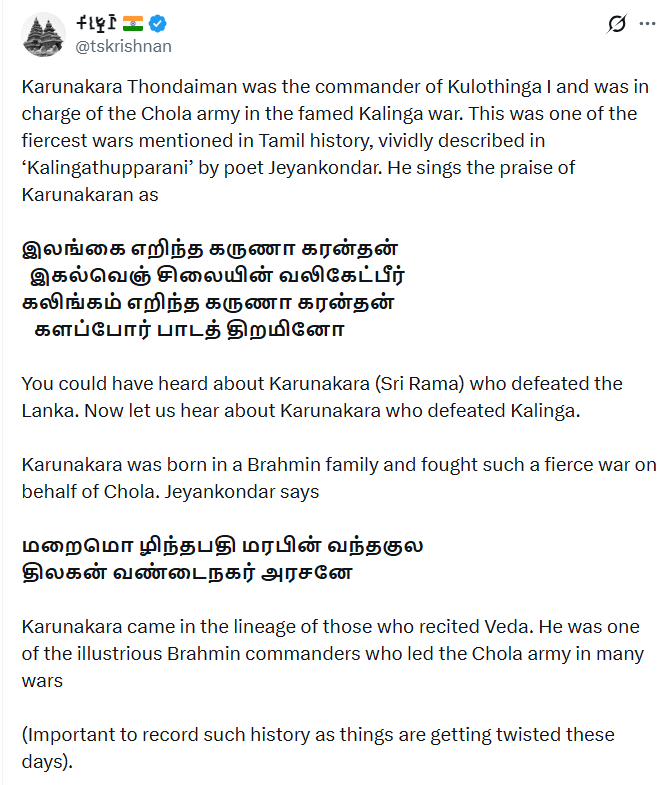
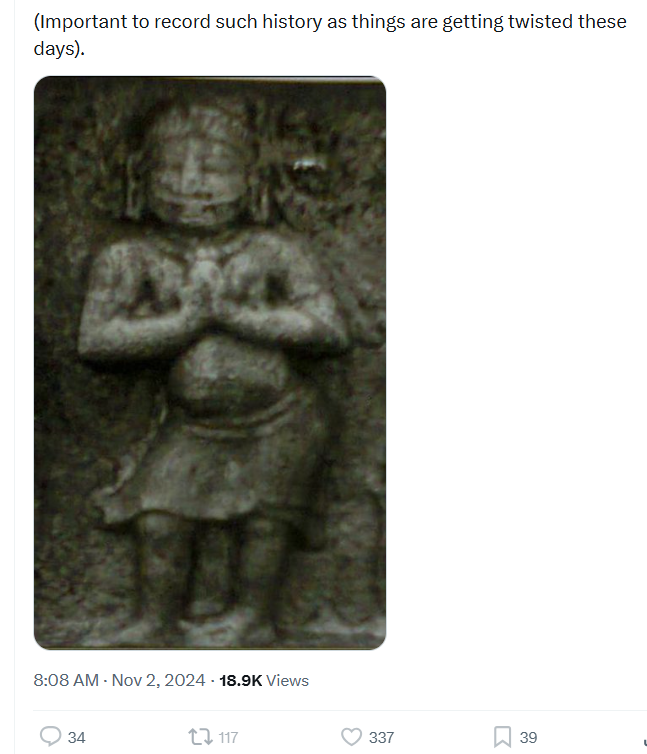
… in which thread, he makes a few random claims – but the the main one is: KT was from a Brahmin lineage.
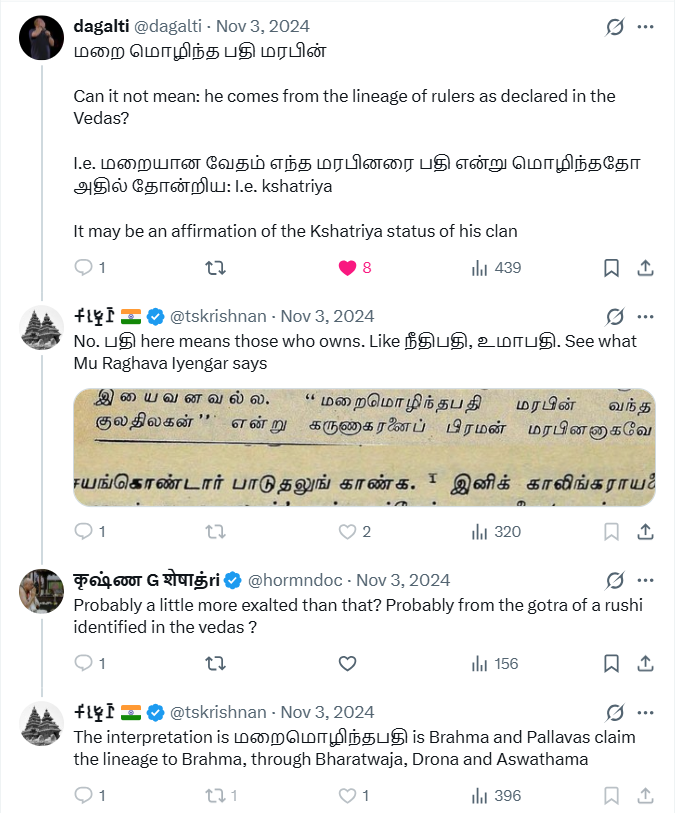
Subsequently when this handle @dagalti asks a relevant question about TSK’s vehement assertion (not that the handle quoted any additional reference), by expanding on and annotating the verses quoted from Kaliṅkattupparaṇi, TSK stonewalls and brings in a fragment of analysis by Sri Mu Raghava Iyengar.
In the big picture of course, I am seriously convinced that these varṇa and jāti classifications are moot/academic points, all are and were Sanatana Dharmics of various extractions – avarnas & savarnas being narrow & divisive classifications – and am responding only to the uncalled-for vehemence of the claim because facts have to be part of any bharatiyata involved discourse. (and um, even otherwise!)
…and then goes on to invent and allude various other interpretations etc etc.
My short response to TSK’s claim:
(…of course, pop-historianships are not at all bad & outlandish per se, and I do agree that TSK has the potential to be a scholarly gent, and he has been a significant anti-Dravidian polemicist & steadfast assembler-presenter of primary-source facts – and perhaps it is because of the latter reasons that he erred on this side… but whatever it is – I hold him to higher standards as explained elsewhere in this esssay….)
Now. Let us analyse the whole context in detail – with solid and verifiable evidence for clarifying & debunking the central claim of TSK.
3
The gist of the assessment in this essay: Karuṇākara Toṇṭaimāṉ was, on the balance of the surviving evidence, not of Brahmin extraction.
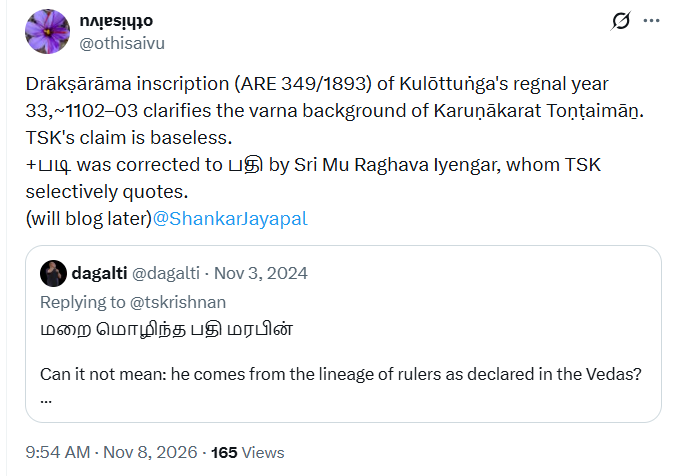
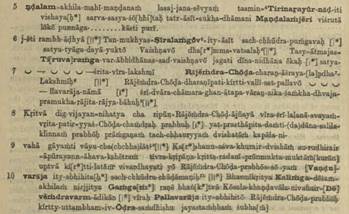
The strongest evidence for this is the Drākṣārāma inscription. It describes the commander identified by K. V. Subrahmanya Aiyer as Karunakara, and that commander’s father, as Śūdras. The inscription gives the commander the personal name Tiruvaraṅga and the titles [Vaṇḍu]varāja and Pallavarāja. The conclusion rests on the well-supported identification of that commander with the Karuṇākara named in the Kāñcīpuram inscription and celebrated by Jayamkondar/Jayaṅkoṇṭār.[1]
The circulating claim (not only of TSK) starts from a genuine historical fact. Karuṇākara led Kulōttuṅga I’s Kaliṅga expedition. It then turns Jayamkondar’s praise of his lineage into a statement that he came from a family of Veda reciters and was born a Brahmin. Two photographed palm leaves and the early editions examined read படி. The alternative பதி first appears in the evidence examined as Mu. Raghava Iyengar’s conjectural correction. His interpretation invokes Brahmā as an ancestor in a Pallava pedigree. That’s all.
It is to be noted that neither reading says that Karuṇākara was born a Brahmin.[2]
Scope of the rebuttal
The discussion seeks to examine TSK’s military and literary claims, the royal or Kṣatriya interpretation offered in reply to his assertions, and the subsequent ‘appeal to authority’ of TSK to Iyengar and Pallava genealogy.
It seeks to compare the actual wording of the poem/verse with what the sources say about the commander and his father. The figures reproduce source passages beside the analysis, so that there is no doubt. Copious and numbered footnotes identify the original editions, manuscript images and scholarly discussions – so that there is clarity about the sources quoted. Nothing is left to chance or ‘alternative’ interpretation or semantic fig-leaves.
Rest of the essay deals with the following sections:
The Kaliṅga expedition and the Rāma comparison
Grammar of the disputed lineage verse
Early printed editions and their variant notes
Palm leaf witnesses and remaining manuscript checks
Iyengar’s conjecture and the circulated extract
Later scholars and the Pallava pedigree
The Kāñcīpuram and Drākṣārāma inscriptions
The identification of the commander and the campaign chronology
Other military claims and the conclusion
4
The Kaliṅga Expedition and the Rāma Comparison
Jayamkondar, also called Jayaṅkoṇḍār/Jayaṅkoṇṭār, presents Karuṇākara as the lord of Vaṇḍai and an officer of Kulōttuṅga I, the king celebrated under the title Abhaya. Karuṇākara offers to strike the seven Kaliṅgas, receives permission, leads the army and directs it in battle.
The poem also presents him as Abhaya’s principal minister. Verses 341–342, 443, 460 and 471 support his command in this expedition. [3]
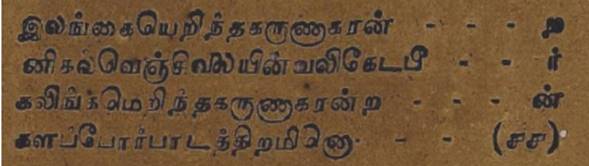
The Laṅkā stanza is II.44, numbered 64 in Project Madurai. It belongs to கடை திறப்பு, the section that calls on women to open their doors. The first Karuṇākara is Rāma, whose fierce bow struck Laṅkā. The second is the commander who struck Kaliṅga. The shared name allows Jayaṅkoṇṭār to set the two victories beside each other. வலிகேட்பீர் invokes hearing of the bow’s might and திறமினோ asks the addressees to open the doors so the battle can be sung.
Of course, TSK’s claim gets the comparison right and loses those two details – not that they are central to his other claim. True, the Laṅkā action in this stanza belongs to Rāma.[4]
Figure 1. Subbaraya’s Puduvai edition, II.44, printed p. 15. The older print has இகல்வெஞ்சிலையின், the reading quoted in the exchange.[5]
Gopala Aiyar quotes இகல்வெஞ் சிலையின் in his 1925 reply and defends his edition’s கடைதிறமின் on metrical grounds. Iyengar’s rejoinder and Subbu Reddiar give இசைவெஞ். Iyer takes the women as listeners. Iyengar reads an invitation to sing together. They also debate the stanza’s placement. Kanakasabhai Pillai explicitly identifies the Laṅkā figure with Rāma in 1890, and Mu. Arunachalam reaches the same reading.[6]
The account of warfare is exceptionally vivid. Its courtly paraṇi form includes epic comparisons, hyperbole (naturally!) and a supernatural feast on the battlefield. Those features support a claim about how the victory was commemorated. The description gives no comparative measure by which to rank the war among the fiercest in Tamil history.[7]
The published exchanges between Aiyar and Iyengar concern the Rāma stanza and other textual problems. They add no named witness for பதி at XI.30.[8] No, not at all.
5
Grammar of the Disputed Lineage Verse
The lineage passage is XI.30, in காளிக்குக் கூளி கூறியது. It is verse 328 in Gopala Aiyar and Iyengar and 341 in several later editions. The king has just ordered an attack. The chief/commander salutes him, promises to strike the seven Kaliṅgas and is described as the ruler of Vaṇḍai and the குலதிலகன், the ornament of his lineage.[9]
The reading படி
In மறை மொழிந்தபடி, the Veda speaks. படி makes the phrase mean “as the Veda declares” or “in accordance with what the Veda says.” The same poem uses மாமுனி மொழிந்த படியே at v. 185 for what the great sage said. With மரபின் வந்த, the disputed line presents Karuṇākara as the ornament of a lineage sanctioned or described in Vedic terms.
Palanivel Pillai glosses மறை as Veda and குலதிலகன் as a person eminent in his lineage.
Kausalya Hart renders the lineage praise in terms of the śāstras.[10]
Figure 2. Kanakasabhai Pillai’s 1890 translation of XI.30 interprets the lineage as royal and sanctioned by the Vedas.[11]
The proposed reading பதி
On Iyengar’s construction, மறை is what was uttered, மொழிந்த is the relative participle and பதி is the singular lord it qualifies. He identifies that lord with Brahmā. The clause then describes a lineage descending from the Veda-uttering lord.
Contrary to what TSK claims in the subsequent, rather flippant remarks – நீதிபதி and உமாபதி illustrate meanings of pati such as lord, master or husband. They cannot determine the reading of this line.
More importantly – the poem itself uses பதி for the ruler of North Kaliṅga at XI.27, which confirms that the sense “ruler” was available.[12]
The counterproposal that the Veda declared certain people to be rulers – resembles Kanakasabhai’s royal-lineage interpretation when read with படி. With பதி, it supplies an unexpressed predicate such as பதி என்று and an object such as the people so designated.
வண்டைநகர் அரசன் expressly gives Karuṇākara a ruling title. The verse gives no explicit Kṣatriya classification. (and, this goes against the doubt expressed by @dagalti)
The original claim about a family of Veda reciters is unsupported under either construction. The poem even has Kulōttuṅga learn the four Vedas from specialists at vv. 242–243, so Vedic learning alone would be an inadequate caste test.[13]
Jayamkondar’s பல்லவர் தோன்றல் at v. 534 associates Karuṇākara with the Pallavas and makes the allusion intelligible if one adopts Iyengar’s reconstruction. The poem also gives Kulōttuṅga a pedigree that runs through Viṣṇu and Brahmā at vv. 184–187.
Such royal genealogies express dynastic legitimacy. The sources give no documentary chain from the early Pallava kings to Karunakara’s immediate family.[14] (but TSK of course, has not considered all these requirements)
6
The Early Printed Evidence
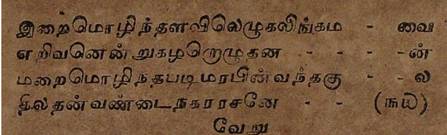
The three early settings examined, print மறைமொழிந்தபடி. They seem to preserve evidence about the reading adopted by their editors. (to be clear – I, the author of the essay have not looked at any manuscript copies physically)
Figure 3. Subbaraya Mudaliyar, Puduvai, p. 79, XI.30. The verse reads மறைமொழிந்தபடி. The two digitized copies have the same typesetting at this verse.[15]
The Puduvai title page gives Śārvari, Aippasi, conventionally dated 1840, and says several copies were consulted. The errata correct XI.28 and XI.29 on p. 79 and give no correction to XI.30. Kanakasabhai’s 1890 article dates the first Madras printing to roughly twenty years earlier, a separate statement from the Puduvai imprint. Sastri says two people had already printed the poem. Gopala Aiyar says three preceded him. One reported pre-1898 printing remains unverified.[16]
Figure 4. Sastri’s 1898 edition, p. 70. The footnote under XI.30 concerns the following stanza, with துமிப்பனென் as a variant of துகைப்பனென்.[17]
Sastri’s preface reports nine copies and says variants were placed in footnotes. The 1923 editor consulted two Madras Government Manuscripts Library copies, seven or eight copies at Thanjavur and a Madurai Tamil Sangam leaf copy, and received readings from Kanakasundaram Pillai’s copy. In 1923 the printed notes begin at stanza 329. At 328 the digitized copy has a handwritten annotation apparently reading பிரமன் and an underline beneath படி. The unidentified and undated hand belongs to the copy’s later use. The printed edition supplies no variant there. Palanivel Pillai, Subbu Reddiar and the Project Madurai text retain படி.[18]
Figure 5. Gopala Aiyar, p. 48, stanza 328. Printed படி and the handwritten marginal gloss can be distinguished directly.[19]
7
Palm Leaf Witnesses and Remaining Manuscript Checks
Two photographs of the actual palm leaves establish that படி is a manuscript reading. Both manuscripts are held by the U. V. Swaminatha Iyer Library. The comparison below concerns the letter in this stanza. The dates and textual relationship of the two copies remain uncertain, though.[20] However, it is not a significant dampener on the argumentation.
Figure 6. MS 1415, image 038, blue label 37. The stanza starts on the right of line 5. In line 6, after the first string hole, the sequence contains ழிந்தபடி. The shape of டி differs from தி in குலதிலகன் farther along the same line.[21]
Figure 7. MS 1416, image 029, blue label 28. The stanza begins at the end of image 028 and continues here, with மறைமொழிந்தபடி near the middle of the top line.[22]
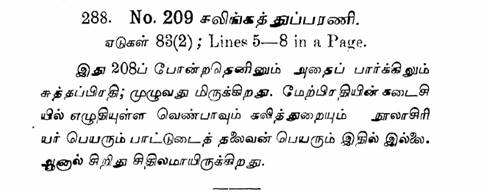
The Sarasvati Mahal catalogue lists seven copies, nos. 208–213 and 563, as entries 287–293. It says the copies vary among themselves and from the prints and confirms Gopala Aiyar’s use of the collection. The catalogue gives descriptions and sample lines without transcribing XI.30.
Searches in Gyan Bharatam, the National Mission catalogue and IGNCA’s Thanjavur microfilm index did not locate a public image for these witnesses.[23]
Figure 8. Sarasvati Mahal catalogue, p. 228. Entry 288 identifies MS 209 as complete and cleaner than MS 208.[24]
However, at the current level of rebuttal, I don’t think we need to scrounge around for more witnesses.
8
Iyengar’s Conjecture and the Circulated Extract
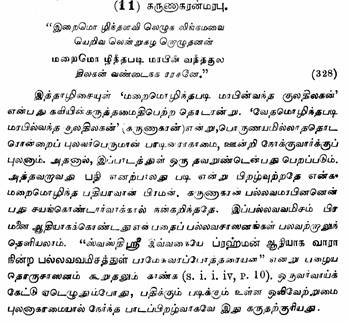
…In கருணாகரன்மரபு, §11 of his 1925 study, Mu. Raghava Iyengar quotes the poem with படி.
He regards the resulting lineage description as unsatisfactory, proposes பதி, identifies the lord as Brahmā and suggests that a scribe taking dictation confused the sounds. His positive citation is to a Pallava inscription. He names no manuscript reading பதி for this stanza.
In discussion of a different reading he identifies a Madras manuscript explicitly, illustrating the distinction between citing a witness and offering an emendation.[25]
Figure 9. Iyengar’s original argument, Centamiḻ 23(5), p. 179. The quoted verse has the received படி. The prose below proposes பதி and gives the Brahmā interpretation.[26]
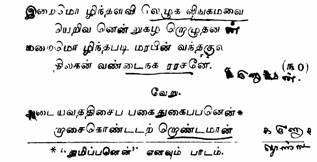
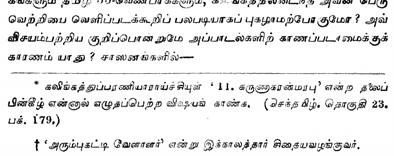
Figure 10. TSK circulated extract. Its typography and page break match pp. 440–441 of the 1984 facsimile of Iyengar’s 1938 collection.[27]
The passage also appeared in Centamiḻ 23(8), p. 302, where a footnote points directly to p. 179. In the collected version the corresponding note points to p. 420, the start of the renumbered §7. In context Iyengar is distinguishing Karuṇākara from Maṇavil Kāliṅgarāyaṉ, whose lineage he reads as Vēḷāḷar in separate inscriptions. The reply in the exchange accurately conveys Iyengar’s interpretation of பதி as Brahmā.
The snippet provided by TSK omits the reasoning by which he arrived at that spelling.[28]
Figure 11. The same argument in Centamiḻ, p. 302, with the footnote referring back to p. 179.[29]
9
Later Scholars and the Pallava Pedigree
N. C. Kandiah Pillai in 1938 and Rā. Raghava Iyengar in 1949 also quote பதி and identify the ancestor as Brahmā. Kandiah cites Mu Raghava Iyengar. elsewhere on the same page.
Of course – Rā. is a different scholar from Mu. and argues separately for a Brahmin origin for the early Pallava clan. K. A. Nilakanta Sastri also prefers the dental பதி and reads the verse as referring to descent from Brahmā. These works establish the reception of the reading.
Figure 12. Rā. Raghava Iyengar, commentary p. 13. He glosses the ancestor as the lord who uttered the Veda and cites the Vaikuṇṭha Perumāḷ inscription.[31]
The genealogy behind Iyengar’s interpretation is independently attested. The inscription at the Vaikuṇṭha Perumāḷ temple in Kāñcīpuram names Brahmā at the head of the Pallava race. The Kūram grant traces a line from Brahmā through Aṅgiras, Bṛhaspati, Bharadvāja, Droṇa and Aśvatthāman to Pallava. The Kāśākuḍi plates add Śaṃyu between Bṛhaspati and Bharadvāja. Their verse 18 combines Brahmin ancestry with Kṣatriya valour in its portrayal of the eponymous Pallava.
Emmanuel Francis treats this genealogy as a royal construction that explains a transition from sages to warriors and kings.[32]
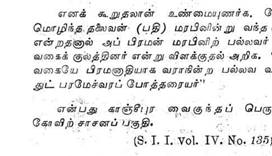
Figure 13. South Indian Inscriptions IV, no. 135(A), the Kāñcīpuram temple inscription cited by Iyengar. Section A names Brahmā in the dynasty’s pedigree.[33]
Figure 14. Hultzsch’s translation of Kāśākuḍi v. 18. The formulation attributes Brahmin ancestry and Kṣatriya valour to the eponymous Pallava.[34]
10
The Kāñcīpuram and Drākṣārāma Inscriptions
Kāñcīpuram names Karunakara
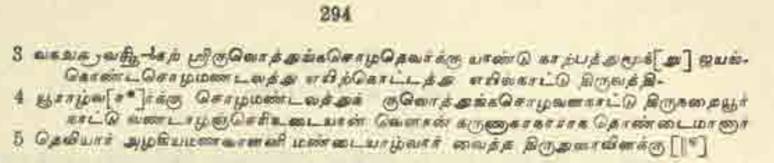
A lamp endowment in Kulōttuṅga I’s 43rd year, c. 1112–13, names Aḻakiyamaṇavāḷaṉi Maṇṭaiyāḻvār as the wife of வேளான் கருணாகரன், alias Toṇṭaimāṉ, of Vaṇḍāḻañcēri in Tirunaraiyūr-nāḍu.
The record is at the Aruḷāḷa Perumāḷ or Varadarāja temple in Kāñcīpuram. Aiyer took வேளான் as a clue to Śūdra status. The title can also denote a headman or official, so its evidentiary weight is lower than an explicit varṇa designation.[35]
Figure 15. SII IV, no. 862, p. 294, lines 3–5. The Tamil identifies Karuṇākara by his personal name and title and records his wife’s lamp endowment.[36]
Drākṣārāma names the father and son
The Sanskrit record dated to Kulōttuṅga I’s 33rd year, c. 1102–03, calls Śīrilaṅgō sac-chūdra-puṅgavaḥ, foremost among good Śūdras. It calls his son Tiruvaraṅga, styled [Vaṇḍu]varāja and Pallavarāja, sac-chūdra-cūḍāmaṇiḥ, the crest jewel among good Śūdras. Both Śūdra terms stand outside Aiyer’s restoration brackets and occur in the earlier Telugu-script edition. The text identifies father and son as Vaiṣṇavas and credits the son with victory in Kaliṅga and a pillar on the Oḍra frontier. The earlier publication is SII IV, no. 1239, ARE 349 of 1893. Aiyer re-edited the record in Epigraphia Indica XXII, no. 23, pp. 138–145.[37]
Figure 16. Epigraphia Indica XXII, p. 143. The two Śūdra epithets occur in lines 6 and 9–10 of Aiyer’s Sanskrit edition.[38]
The same record uses brāhmaṇa for ten beneficiaries of the grant. It thus distinguishes the social terms used of the beneficiaries from the epithets applied to the commander and his father.[39]
11
The Commander’s Identity and the Campaign Chronology
Aiyer identifies the two commanders through the cumulative match. The records place them in Tirunaraiyūr-nāḍu and give closely corresponding home names, Maṇḍalañjēri and Vaṇḍāḻañcēri. The Sanskrit titles correspond to the poem’s lord of Vaṇḍai and Pallava chief. Both accounts place the commander in Chola service and credit him with a Kaliṅga victory and a victory pillar. The distinct personal names and the partly restored [Vaṇḍu] title make the identification an inference.
Balasubrahmanyam, Rajaguru and Kuṭavāyil Bālacuppiramaṇiyaṉ also accept the identification. It is obvious that the explicit term Śūdra carries more weight about the commander’s family than a pedigree inferred from a disputed reading.[40]
Now. It is agreed that the identity of the commander and the identity of the expedition require separate judgments – so that there are no gaps in logic or loopholes and escape hatches.
Aiyer equated the expedition in the c. 1103 record with the poem’s campaign and dated it to c. 1076–77. He identified its Devendravarman with Rājarāja I. Nilakanta Sastri accepts the identification of the man and expressly rejects the equation of the campaigns. Sastri and Balasubrahmanyam place the poem’s campaign around 1110, against Anantavarman Chodaganga. On that dating, the c. 1103 inscription records a different campaign.[41]
Figure 17. Gopala Aiyar, p. 53, v. 362, corresponding to XI.64 and Project Madurai v. 375. The reading அனந்த பன்மன் names the king.[42]
The king’s name is itself a textual variant. Aiyer reports that Subbaraya and Suryanarayana Sastri read words corresponding to adipaṉ vīram at this point, where Gopala Aiyer prints அனந்த பன்மன். His gloss connects it to the inscriptional Anantavarman Chodaganga. In an endorsement appended to the 1923 edition, S. Krishnaswami Aiyangar calls the naming of Anantavarman a new feature and notes the wider manuscript base. Kanakasabhai’s 1890) gloss says only the ‘King of North Kaliṅga.’ Though this dating debate is somewhat inconclusive (to the extent that I could figure out), it leaves the varna terms in the inscription unaffected.[43]
12
Other Military Claims and the Conclusion
The poem securely celebrates Karunakara’s command in Kaliṅga. The Drākṣārāma record gives broader conquest praise. Oṭṭakkūttar’s Vikrama Cholan Ula, couplets 68–69, credits a Toṇṭaimāṉ celebrated in a paraṇi with victories against several rulers. Vengadaramaiah discusses those passages as evidence of further service. The Ula couplets give no personal name, dates or count of campaigns. Iyengar’s distinction between Karuṇākara and Maṇavil Kāliṅgarāyaṉ matters here, because crediting Karuṇākara with the latter’s separately attested exploits would inflate his record.[44]
But, it also important to note that the general claim that Brahmins could command Chola armies – is sound and attested.
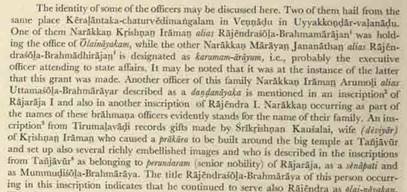
The edition of the Karandai Tamil Sangam plates discusses a Brahmana family and identifies Krishnan Raman, titled Mummuḍi-Chola-Brahmamārāyaṉ, as a sēnāpati. The comparison shows what affirmative documentation of Brahmin background can look like. The specific evidence for Karuṇākara points in the other direction.[45]
Figure 18. K. G. Krishnan’s edition of the Karandai Tamil Sangam plates, p. 28. The discussion connects the named commander Krishnan Raman with the documented Brahmana family.[46]
Conclusion
The conclusion is that Karuṇākara Toṇṭaimāṉ was not of Brahmin extraction.
This judgment rests on the identification, accepted by multiple scholars, of Karuṇākara with the Pallavarāja of Drākṣārāma. The record explicitly classifies that commander and his father as Śūdras.
The Kāñcīpuram title வேளான் supplies a separate, less decisive clue. The evidence supports a varṇa designation for the family on that identification. Of course, it does not establish a narrower jāti.[47]
The claim of Brahmin birth would still lack support if the identification were set aside.
The early prints and the two inspected leaves attest படி. Iyengar’s proposed பதி is a possible dynastic allusion to Brahmā, and the Pallava inscriptions explain why it appealed to him. Neither the Vedic formula nor the dynastic pedigree demonstrates that Karunakara’s immediate family was Brahmin.
The uncalled-for allegation by TSK that history is being twisted [in this context of Karuṇākara Toṇṭaimāṉ] adds no evidence to the claim.[48]
** (okay, I tool 2 hours for the prep work & 9+ hours for assembling this write up *phew* – and what do you think, mY fellow 7½s? Is it worth ‘publishing’ in this format with so much effort at all etc, eh?)
“ஒரு பார்ப்பான் எங்கே போனாலும் இன்னொரு பார்ப்பானை காப்பாற்றவே பார்ப்பான்…”
அப்படியா என்ன? :-)
ஆனால், இந்தக் கயமைச் சொல்லாடல் – ஏன் எதற்கு எங்கு எப்போது எப்படிச் சொல்லப்பட்டது என்பவற்றுக்கான இடஞ்சுட்டிப் பொருள் விளக்கம் பெறலாமா?
எப்படிச் சொல்லப்பட்டது?
மிக அழகாகவே. :-) சிலேடை மொழியில் ‘பார்ப்பார்’ என விரிகிறது. அருமை. திராவிடப் பண்பிலும் ஆகவே பலநாக்குப் பேசுதல்களிலும் இவர்கள் அளவுக்கு ‘அடித்து விளையாட’ எவரால் முடியும், சொல்லுங்கள்? (ஆனால், இலக்கண சுத்தம் இல்லை, ஒற்று இல்லை, சந்தி சிரிக்கிறது – ஆனால், அதற்கும், தமிழ் ‘இலக்கணம்’ என்பது ஸம்ஸ்க்ருத ‘லக்ஷணம்’ என்பதிலிருந்து திருப்பாக் கடன் திசைச்சொல்லாக வாங்கப்பட்டதால் இருக்கலாமோ?)
ஏன் சொல்லப் பட்டது?
இது ஒன்றும் பெரிய கார்த்திசிதம்பர ரகசியம் இல்லை. திராவிடத் தமிழ்வெறிய உலகில் இதெல்லாம் சகஜமப்பா.
தமிழ் பிராமணனை சமயம் வாய்த்தபோதெல்லாம் கேவலப் படுத்தவேண்டும். மட்டப் படுத்த வேண்டும். இழிசொல்லால் தாக்கவேண்டும். அவன் பொதுவாகவே அடங்குவான். அத்துமீற மாட்டான். திமிறி எழமாட்டான், திருப்பி அடிக்கமாட்டான். இவையெல்லாம் ஒருபுறமிருக்க – அவன் அயோக்கியன், திருடன் என நிறுவவேண்டும். ‘பார்ப்பனன்’ எனும் சொல்லை வழக்குமொழியில் திரித்து பாப்பான் ஆக்கி, அதனையும் ஒரு வசைச் சொல்லாகவே ரசவாத மாற்றம் செய்யவேண்டும். அவனுடைய ஒவ்வொரு செயலுக்கும் ஒரு தந்திரோபாய கயமை உள்ளர்த்தத்தைக் கற்பிக்க வேண்டும்.
எந்த ஒரு சமூகத்திலுமே புள்ளியியல் ரீதியாக இருக்கும் மிகச் சிறுபான்மைப் புல்லுருவிகளை மட்டுமே, இத்திரளைப் பிரதிநிதித்துவம் செய்பவர்களாக விரித்து அந்தப் பொதுமைப் படுத்தலையே பொதுவிதியாக மாற்றும் தந்திரம். தங்களுடைய தாழ்வுமனப்பான்மையை நிரவ இன்னொருவனைச் சகதியில் தள்ளல். அவ்வளவுதான்.
எப்படியும் குடிநீர்த் தொட்டிகளில் மலம் கலப்பவர்கள்தானே நாம்? அடிப்படை உரிமைகளையும் கடமைகளையும் பற்றிப் பேசிய பீம்ராவ் ராம்ஜி ஆம்பேட்கரையே இரும்புக் கூண்டில் தள்ளி சிறையில் அடைக்கவேண்டிய சாதிவெறி நிலைமையை உருவாக்கியவர்கள்தாமே நம் செல்லத் தமிழர்கள்?
ஆக, இதெல்லாம் நம்மூரில் சகஜமப்பா. இப்போது பிற பரிமாணங்களைப் பார்க்கலாம்…
1
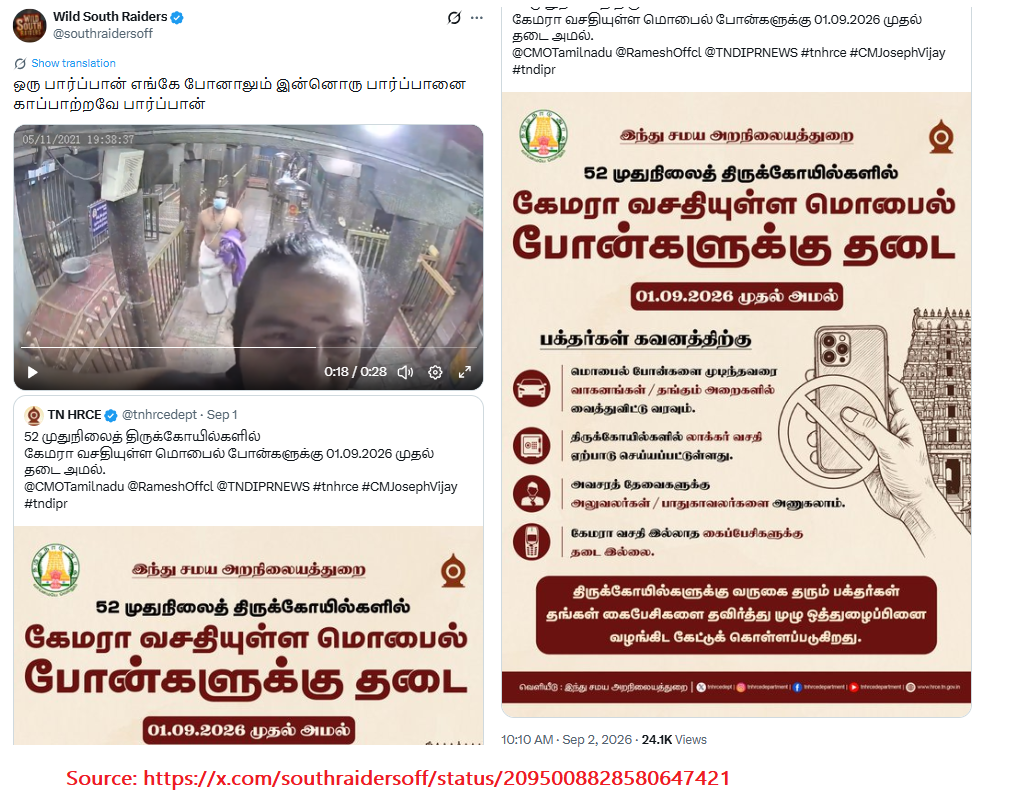
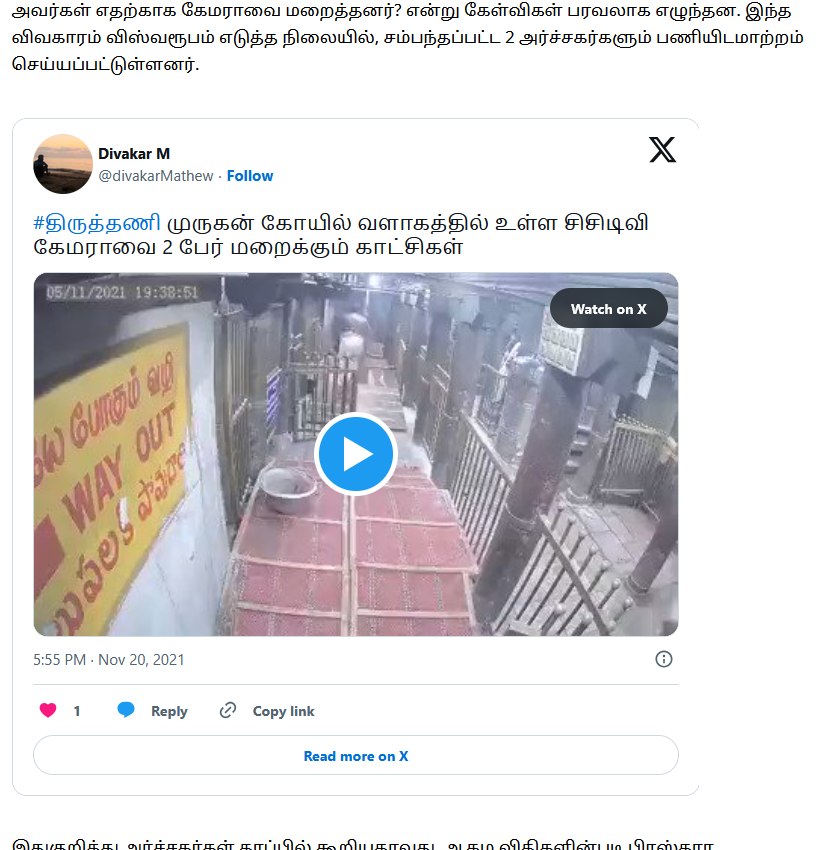
முதலில் இந்த பப்பரப்பா விடியோ:
கீழ்கண்ட X-பதிவு வழியாக எனக்கு மேற்கண்ட விஷயம் கிடைத்தது – முன்னமேயே 2023ல் இதனைப் பார்த்திருந்தாலும், இம்மாதிரி ரீ-லாஞ்ச் விஷயங்களெல்லாம் சுவாரசியம்தான்!
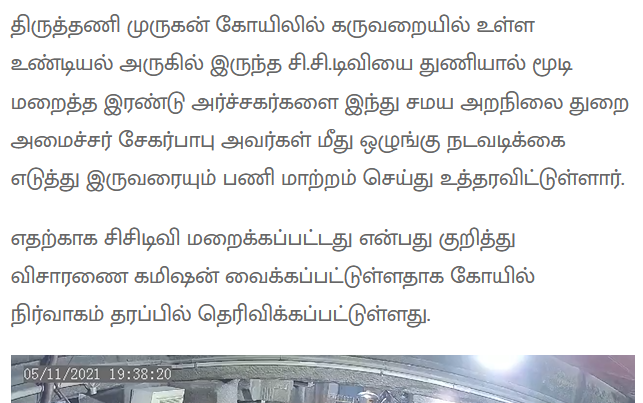
இந்தக் காட்சிப்பதிவு திருத்தணி அருள்மிகு சுப்பிரமணியசுவாமி திருக்கோயிலைச் சேர்ந்தது; இக்கோயில் திருவள்ளூர் மாவட்டத்தில் உள்ளது. CCTV நேரமுத்திரையில் 2021 நவம்பர் 5 அன்று மாலை சுமார் 7.38 மணி எனக் காட்சியிலேயே தெளிவாகத் தெரிகிறது. அக்காலச் செய்தி அறிக்கைகள் இடத்தை இன்னும் குறிப்பாக மூலவர் சந்நிதி, அதாவது மூலவரின் கருவறை அல்லது அதை ஒட்டிய உடனடிப் பகுதி, என்று அடையாளப்படுத்துகின்றன.
மேலுள்ள பதிவு, சம்பவம் நிகழ்ந்து ஏறக்குறைய ஐந்து ஆண்டுகள் கழித்து, அதன் அசல் சூழல் விவரங்கள் விடுபட்ட நிலையில், 2026 செப்டம்பர் 2 அன்று புதிதாக மறுபரப்பப்பட்டுள்ளது. :-)
கோயில் சடங்குகள் பற்றிய ஓரளவு அறிவையும் தமிழ்நாட்டின் அரசியல் சூழலையும் கருத்தில் கொண்டு, என் மொத்த மதிப்பீடு பின்வருமாறு:
அந்த இரு அர்ச்சகர்களும் CCTV கேமராவை எந்த ஐயத்திற்கும் இடமின்றி, அறிந்தே மூடியுள்ளனர்.
இதற்குச் சடங்கின்போது பார்வை மறைக்கப்பட வேண்டிய மரபை அடிப்படையாகக் கொண்ட உண்மையான விளக்கம் இருக்கிறது; கோயில் சடங்கு நூல்களும் நடைமுறைகளும் அதற்கு வேண்டுமளவு ஆதரவு அளிக்கின்றன.
திருட்டு, உண்டியல் முறைகேடு, நகைகள் அகற்றுதல் அல்லது வேறு எந்தக் குற்றச்செயலுக்கும் இந்தக் காணொளித் துணுக்கு ஆதாரம் அளிக்கவில்லை.
இருவரும் ஒளிவுமறைவாகவோ குற்ற நோக்கத்துடனோ இக்காரியத்தைச் செய்வதாகத் தெரியவில்லை, வெளிப்படவில்லை; வழக்கமான நடைமுறையாகவே இதைச் செய்தது போன்ற தோற்றமே உள்ளது.
இந்தக் கேமராவின் பதிவை இவ்விதம் முடக்க இவ்விரு அர்ச்சகர்களுக்கும் அனுமதி இருந்ததா என்பது இன்னும் தீர்மானிக்கப்படவில்லை. அதேவேளையில், இத்தகைய கண்காணிப்பு ஊடுருவல்களை ஆகமங்களோ கோயில் மரபுகளோ அனுமதிக்கின்றனவா என்பதும் தனியே விவாதிக்க வேண்டிய கேள்வி.
இந்தச் சம்பவம் – இருவர் மீதும்“பணியிட மாற்றத்தையும் விசாரணையையும்” ஏற்படுத்தியது என்பது உறுதி. பிறகு காவல்துறை குற்றப் பதிவோ, அரசு நடவடிக்கையோ இதுவரை நடக்கவேயில்லை. ஏனெனில் ஒரு பெரிய குற்றமும் நடக்கவில்லை.
2
இப்போது காணொளித் துணுக்கையும் அதன் முழுச் சூழலையும் ஆராய்ந்து, அந்த மதிப்பீட்டை எவ்வாறு அடைகிறோம் என்பதைப் பார்ப்போம்.
காணொளியிலிருந்து நேரடியாக உறுதிப்படுத்தப்படுபவை: இந்தக் கோப்பு 27.64 விநாடிகள் நீளமுடையது; 1280 × 720 பிக்ஸெல் அடர்த்தியிலும், விநாடிக்கு 25 சட்டகங்கள் என்ற வேகத்திலும் உள்ளது. இதில் ஒலிப்பாதை இல்லை – எவ்வளவு சௌகரியம் பாருங்கள்; ஆகவே நோக்கத்தை ஊகிக்க உதவும் உரையாடலோ சுற்றுப்புற ஒலியோ கிடைக்கவில்லை – அதனால் இஷ்டத்துக்கு அனுமானித்துக் கொள்ளலாம்… அல்லது சதித்திட்டங்களை அனுமானிக்க ஊக்குவிக்கலாம்…
நிகழ்வுகளின் வரிசை தோராயமாகப் பின்வருமாறு:
(இந்தக் காட்சி நேரவரிசைப் பதிவை FFmpeg, FFprobe போன்ற ஓபன்ஸோர்ஸ் நிரல்கள்-கருவிகள், நேரடி காட்சிப் பரிசோதனை, CCTV காட்சியின் மேல் பதிக்கப்பட்ட எழுத்துத் தகவல் ஆகியவற்றைப் பயன்படுத்தி உருவாக்கினேன். @southraidersoff என்ற X/Twitter கணக்கின் SnowflakeIDஅடையாள எண்ணைப் பெற ஒரு Python நிரலையும் பயன்படுத்தினேன். இத்தகைய தடயவியல் ஆய்வுகளில் நேரமுத்திரைகளுடன் பதிவுரைகளையும் அட்டவணை வடிவிலான காட்சிச் சுருக்கங்களையும் உருவாக்குவதற்கு இக்கருவிகளையும் அணுகுமுறைகளையும் பொதுவாகப் பயன்படுத்துகிறேன். கடந்த சில மாதங்களாக இதை ஒரு சுவாரசியமான புதிய பொழுதுபோக்காகச் சிலபல மாதங்களாகக் கற்று வருகிறேன்)
காணொளி நேரம்
நேரடியாகப் பார்க்கக் கூடிய காட்சிகள்
0–4 விநாடிகள்
வழக்கமான கோயில் வழித்தடம் அல்லது சந்நிதி முன்பகுதி போல் தோன்றுகிறது. பல தடுப்புகளும் உலோகப் பொருட்களும் காணப்படுகின்றன.
சுமார் 4.5 விநாடியில்
முகக்கவசம் அணிந்த, மேலாடையில்லாத அர்ச்சகர் ஒருவர் ஊதா நிறத் துணியைக் கொண்டு கேமராவை அணுகுகிறார்.
சுமார் 6–9 விநாடிகளில்
அவர் கேமராவிற்கு அருகில் கையை மேலே நீட்டுகிறார்; பின்னர் சந்நிதிப் பகுதிக்குள் மேலும் சென்று விடுகிறார்.
சுமார் 12.5 விநாடியில்
வெள்ளைத் துணியுடன் இரண்டாவது கோயில் பணியாளர் அல்லது அர்ச்சகர் கேமராவை அணுகுகிறார்.
சுமார் 13–20 விநாடிகளில்
அவர் அறிந்தே அந்தத் துணியை கேமரா லென்ஸின் மீது வைத்து, அழுத்தி, சரிசெய்கிறார்.
சுமார் 20–27.6 விநாடிகளில்
கேமராவின் பார்வைப்பரப்பு கிட்டத்தட்ட முழுமையாக மறைந்தே உள்ளது. பின்னர் காணொளி முடிகிறது.
கேமராவின் பார்வை மறைக்கப்பட்டது திட்டமிட்ட செயல் என்பது வெளிப்படையாகத் தெரிகிறது. காணொளியானது, அர்ச்சகர்கள் முகங்களை மறைப்பது போன்ற ஒளிவுமறைவு முயற்சியைக் காட்டவில்லை. இது கேமராவைத் தற்செயலாகத் தொட்டதோ, ஒருவர் ஒரு கணம் அதன் முன் கடந்து சென்றதோ அல்ல.
அதேவேளையில், இந்தத் துணுக்கிலிருந்து பின்வரும் பல விஷயங்களை உறுதிப்படுத்த முடியாது.
லென்ஸ் மூடப்பட்ட பின் என்ன நடந்தது என்பதை இது காட்டவில்லை.
கேமரா மறைக்கப்பட்டிருந்த காலம் எவ்வளவு நீண்டது என்பதை இது தெரிவிக்கவில்லை.
துணி எப்போது, யாரால் அகற்றப்பட்டது என்பதை இது காட்டவில்லை.
வேறு எந்தக் கேமராவின் காட்சிக் கோணங்களையும் இது வழங்கவில்லை.
பணம், நகை, விக்கிரகம் அல்லது கோயில் சொத்து தவறாகக் கையாளப்பட்டதை இது காட்டவில்லை.
ஒரு சடங்கிற்கான முன்னேற்பாடுகளை வெளிப்படுத்தியிருக்கக்கூடிய முந்தைய அல்லது அடுத்த சில நிமிடங்கள் இதில் இடம்பெறவில்லை.
இந்தப் பதிவு நீண்ட CCTV தொடரிலிருந்து தேர்ந்தெடுக்கப்பட்ட, இடைநிறுத்தமில்லாத ஒரு குறுந்துணுக்காகத் தெரிகிறது. முக்கியமானதாக இருக்கக்கூடிய, ஆனால் காட்சியிலில்லாத காலப்பகுதி தொடங்கும் தருணத்திலேயே, இந்தத் தேர்வு/selection முடிகிறது. (இதுதான் பப்பரப்பா ஹேஷ்யங்களுக்குத் தந்திரமாக அடிகோலுகிறது…)
அதாவது, மறைமுகக் குற்றச்சாட்டைத் தூண்டுவதில் இது மிகவும் பயனுள்ள கருவியாக உருமாறுகிறது; தமிழ்நாட்டின் திராவிட அரசியல் சூழலில் நுணுக்கமாகத் தீட்டப்பட்ட வெறுப்புப் பிரசாரக் கலைகளில் – இத்தகைய பரிமாணம் வழக்கமான ஒன்றுதான்.
ஆனால் – அதன் பின்னர் உண்மையில் என்ன நடந்திருக்கலாம் என்பதற்கான ஆதாரமாக இந்தத் துணுக்கு மிகவும் பலவீனமானது.
3
அந்த நேரத்தில் வெளியான சமகால செய்தி அறிக்கைகள் என்ன கூறின?
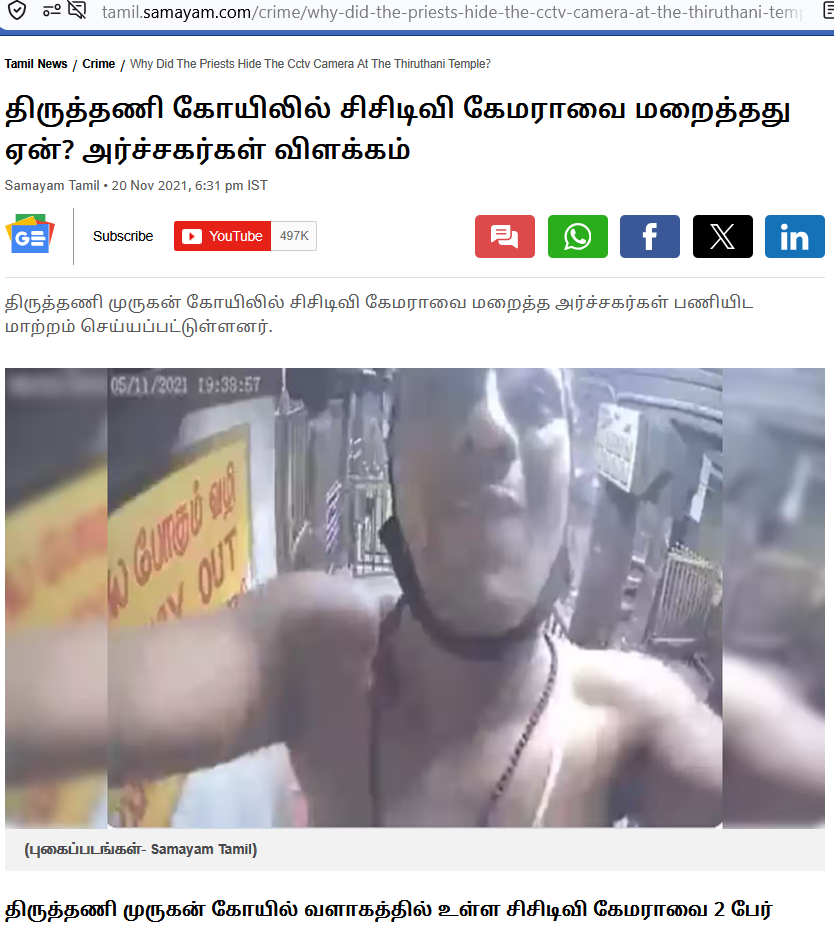
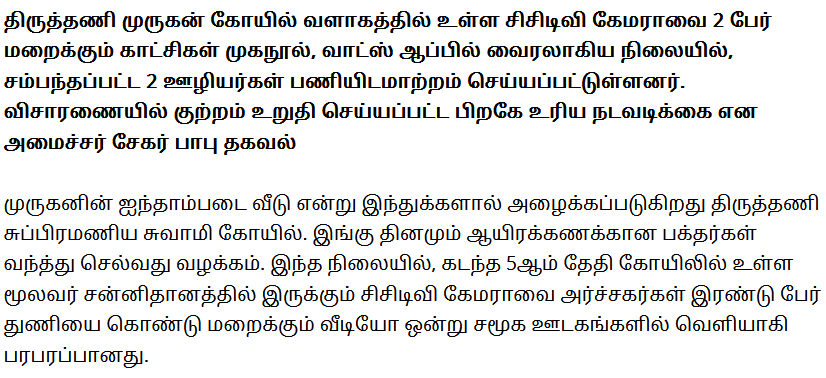
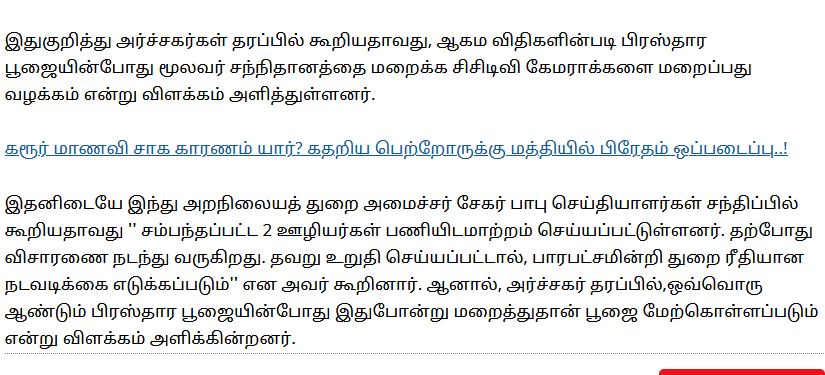
2021 நவம்பர் 20 அன்று, இந்தக் காட்சி ஃபேஸ்புக்+வாட்ஸ்அப் வழியாகப் பரவியதாகவும், சம்பந்தப்பட்ட இரு அர்ச்சகர்களும் பணியிட மாற்றம் செய்யப்பட்டதாகவும் சமயம் [1] தமிழ் செய்தி வெளியிட்டது. முக்கியமாக, அர்ச்சகர்கள் அளித்த விளக்கத்தையும் அது பதிவு செய்தது:
ஆகம விதிகளின்படி ஆண்டுதோறும் நடைபெறும் “பிரஸ்தார பூஜை”(!) செய்யப்பட்ட போது மூலவர் சந்நிதி திரையிட்டு மறைக்கப்படுவதால், CCTV கேமராக்களையும் மூடுவது வழக்கம் என்று கூறப்பட்டது.
இந்த விளக்கத்தை அறிக்கை “அர்ச்சகர்கள் தரப்பின் கூற்று” என்று குறிப்பிட்டது. அதை உறுதிப்படுத்தும் கோயில் உத்தரவு, சடங்கு கையேடு, விசாரணை அறிக்கை அல்லது சுயாதீன நிபுணர் முடிவு எதையும் அது முன்வைக்கவில்லை. (இம்மாதிரி பாரம்பரிய விஷயங்களை, ‘தரவுகளையும் ஆவணங்களையும்’ வைத்து முட்டுக் கொடுத்து எடுத்து – கேவலம் ஒரு ஒட்டுண்ணி அரசாங்க அலுவலகத்துக்குக் கொடுக்கவேண்டியிருப்பதே ஒரு அவல நிலைதான்!)
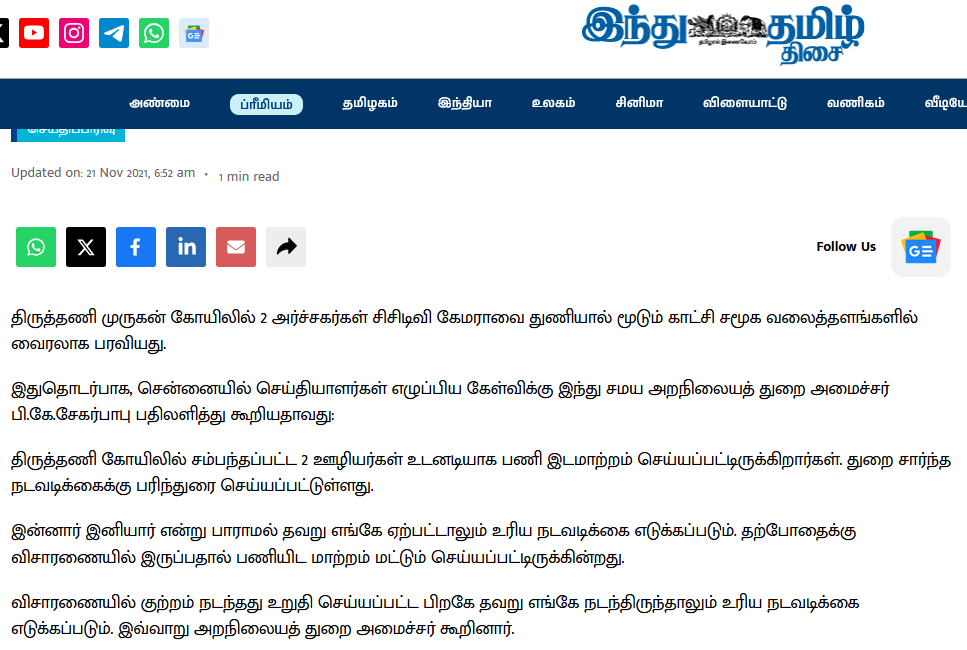
நவம்பர் 21 அன்று, அமைச்சரின் அறிக்கையை இந்து தமிழ்திசை [2] பின்வருமாறு செய்தியாக வெளியிட்டது:
இரு அர்ச்சகர்களும் உடனடியாகப் பணியிட மாற்றம் செய்யப்பட்டனர்
துறை ரீதியான நடவடிக்கை எடுக்கப் பரிந்துரைக்கப்பட்டது
விஷயம் இன்னும் விசாரணையில் இருந்தது
தவறு உறுதிப்படுத்தப்பட்டால் மட்டுமே அடுத்தகட்ட நடவடிக்கை எடுக்கப்படும்.
இந்தச் சொல்லாக்கம் முக்கியமானது.
திருட்டோ வேறு குற்றமோ நிரூபிக்கப்பட்டதாக அப்போது முடிவு எட்டப்படவில்லை; பணியிட மாற்றம் முன்னெச்சரிக்கை நிர்வாக நடவடிக்கையாக மேற்கொள்ளப்பட்டது.
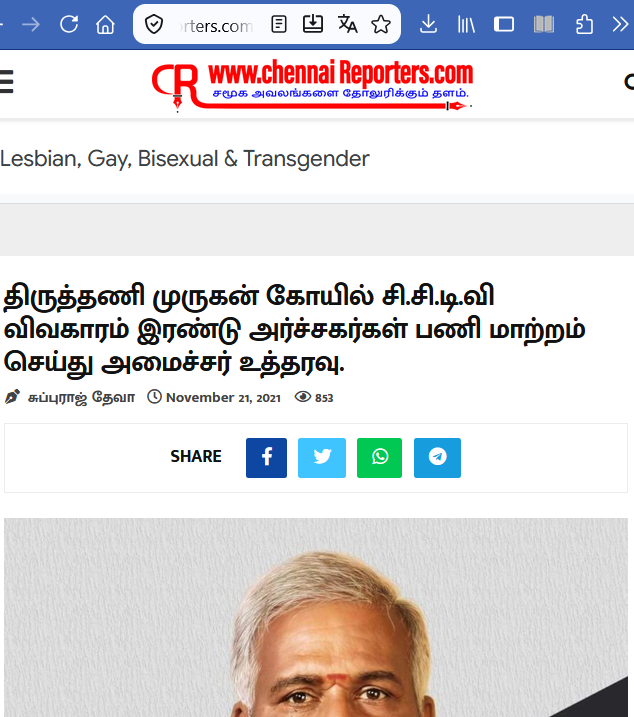
மேலும், ஒரு சிறிய உள்ளூர் செய்தித் தளம் [3] சுப்புராஜ் தேவா எனும் அயோக்கிய ஜீவன் ஒன்றின் கட்டுரையில் கேமரா, உண்டியலுக்கு அருகில் இருந்ததாகக் கூறியது. அந்தச் செய்தியில் வெளிப்படையான குற்றச்சாட்டு தொனி இருந்தது, பூடகமாகக் கூட இருந்திருக்கவில்லை; உண்டியல் குறித்த இந்த விவரம், கொஞ்சமாவது கறார் மொழியில் செய்தி வெளியிட்ட முக்கிய ஊடகங்களில் மீண்டும் இடம்பெறவில்லை.
ஆகவே, “உண்டியலுக்கு அருகிலுள்ள கேமரா” என்ற கூற்றுக்கு நாம் மிகக்குறைந்த நம்பகத்தன்மையையே அளிக்கக் கூடும்.
4
இந்த நிகழ்வுக்கு – சடங்கு சார்ந்த விளக்கம் கொடுப்பதற்கு நம்பகத்தன்மை வாய்ந்த தரவுகள் உள்ளனவா?
ஆம்; இருக்கின்றன. கோயில் வழிபாட்டின் குறிப்பிட்ட கட்டங்களில் தெய்வத் திருமேனியைத் திரையிட்டு அல்லது மறைத்து வைப்பது உண்மையானதும் நன்கு ஆவணப்படுத்தப்பட்டதுமான நடைமுறையாகும்.
குமார தந்திரம் வழங்கும் சான்றுகள்
திருத்தணி முருகன் வழிபாடு, பூஜை, புனஸ்காரங்கள் – குமார தந்திர ஆகமத்தைப் பின்பற்றுவதாகக் கோயில் சார்ந்த குறிப்பு நூல்கள் பொதுவாகக் கூறுகின்றன. (எனினும், கோயிலின் தற்போதைய இந்து சமய அறநிலையத் துறை (HR&CE) பக்கத்தில் அதற்கான முறையான ஆகம வகைப்பாட்டுப் பதிவைக் கண்டறிய முடியவில்லை – இந்த லட்சணத்தில் தான் இருக்கிறது இந்த செயல்திறம் அறவேயற்ற அறமற்ற அறநிலையத் துறை, என்ன செய்ய… )
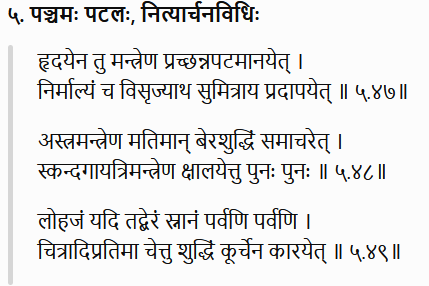
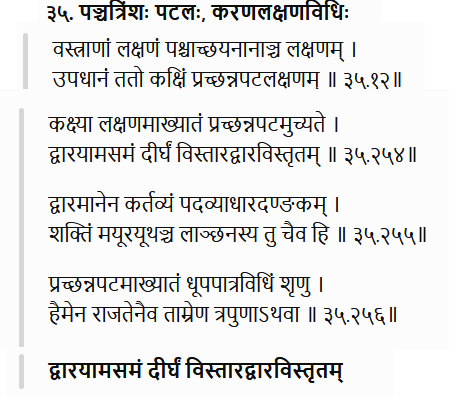
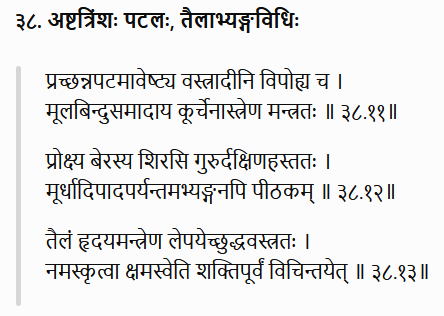
சுப்பிரமணியர் எனும் நம் முருக வழிபாட்டைச் சிறப்பாகக் கையாளும், – ஸமஸ்கிருத குமார தந்திர மூலப் பாடம், ப்ரச்சன்ன-படம் (प्रच्छन्नपटम् / pracchanna-paṭam) என்ற பதத்தை மீண்டும் மீண்டும் பயன்படுத்துகிறது.
அதன் சொற்பொருள் – மறைப்புத் துணி, மறைதிரை அல்லது திரை என்பதாகும்.
ஐந்தாம் அத்தியாயத்தில்( 5.47–49), முந்தைய பூஜைப் பொருட்களை அகற்றி திருமேனியைத் தூய்மைப்படுத்துவதற்கு முன், மறைதிரையை எடுத்துவருமாறு அர்ச்சகருக்கு அறிவுறுத்தப்படுகிறது.
முப்பத்தைந்தாம் அத்தியாயம் (35.254–256), வாசலின் அளவுடன் தொடர்புபடுத்தி, அந்தத் திரையின் பரிமாணங்களையும் உருவாக்க முறையையும் குறிப்பிடுகிறது.
முப்பத்தெட்டாம் அத்தியாயத்தில் (38.11–13), திருமேனியின் ஆடைகள் அகற்றப்பட்டு திருமேனிக்கு எண்ணெய் பூசப்படுவதற்கு முன் திரை இடப்படவேண்டிய அவசியத்தை உணர்த்துகிறது.
பிரதிஷ்டைச் சடங்குகளில், பின்னர் அந்தத் திரை அகற்றப்பட்டு, கூடியிருக்கும் மக்களுக்கு திருமேனி காட்டப்படுகிறது.
இதனால், திரையிட்டு மறைப்பது முன்பே நிலைபெற்றிருந்த சடங்கு முறை என்பதும், CCTV சர்ச்சைக்குப் பிறகு மட்டும் உருவாக்கப்பட்ட சாக்கு என்ற சந்தேகத்திற்கு எதிராக வலுவான ஆதாரம் இருப்பதும் தெளிவாகிறது.
ஒப்பிடத்தக்க நடைமுறைகளைத் திருமலை திருப்பதி தேவஸ்தானமும் வெளிப்படையாக ஏற்றுக்கொள்கிறது. அதன் அதிகாரபூர்வ ஸஹஸ்ர கலஸாபிஷேக விளக்கத்தில், மூலவருக்குச் செய்யப்படும் தனிப்பட்ட அர்ச்சனையின் போது திரை இழுக்கப்பட்டு, ஒரே ஒரு அர்ச்சகர் மட்டும் உள்ளே இருப்பார் என்று கூறப்படுகிறது.
இரவுப் பூஜை குறித்த அதன் விளக்கமும், அனுமதிக்கப்பட்ட கோயில் அர்ச்சகர்கள் மட்டுமே கலந்துகொள்ளும், பொதுமக்கள் அனுமதிக்கப்படாத சடங்காக அதைக் குறிப்பிடுகிறது.
இவை வேறொரு ஆகம மரபைச் சார்ந்த வைணவ உதாரணங்கள்; ஆகவே திருத்தணி குறித்த கூற்றை நேரடியாக நிரூபிப்பதில்லை. இருப்பினும், சடங்கு சார்ந்த காட்சி மறைவு கோயில் நிர்வாக நடைமுறையிலும் இடம்பிடித்துள்ளது என்பதை அவை உறுதிப்படுத்துகின்றன, அல்லவா?
எந்தச் சூழல்களில் திரையிட்டு மறைத்தல் தேவைப்படலாம்?
மதவழிபாட்டு மூலநூல்களில் காணப்படும் உதாரணங்கள், கீழ்கண்ட முக்கியமான நடைமுறைக் காரணங்களைச் சுட்டுகின்றன:
முந்தைய அலங்காரம் அல்லது நிர்மால்யத்தை அகற்றுதல்
திருமேனியைச் சுத்தம் செய்தல் அல்லது புனிதப்படுத்துதல்
ஆடைகளை அகற்றி மாற்றுதல்
எண்ணெய் பூசுதல் அல்லது திருமேனியில் நேரடியாக மேற்கொள்ளப்படும் பிற சடங்குச் செயல்கள்
பொதுமக்களின் தரிசனம் தற்காலிகமாக நிறுத்தப்படும்பிரதிஷ்டை அல்லது திருவுருவ நிறுவல் சடங்கின் சில கட்டங்கள்.
அத்தகைய பகுதியை நோக்கி அமைந்த CCTV கேமரா, வழக்கமான திரை, பக்தர்களின் பார்வையை மறைத்த பின்னரும் தொடர்ந்து பதிவு செய்யும்.
எனவே, பார்வை மறைப்பதற்கான சடங்கு விதியை மின்னணுக் கேமராவிற்கும் கோயில் நடைமுறை நீட்டித்திருக்கிறது. அவ்வளவுதான்.
இவற்றை ஏன் அர்ச்சர்கள் சொல்லவில்லை என்பது ஒரு கேள்வி.
“அவர்கள் ஏன் அவற்றைச் சொல்லித்தான் தங்கள் குற்றமற்ற தன்மையைப் போயும்போயும் ஒரு ஒட்டுண்ணி அமைப்புக்குக் காண்பிக்க வேண்டுமா” என்பது அதனை விட முக்கியமான கேள்வி.
5
“பிரஸ்தார பூஜை” என்ற சொல்லாக்கத்தில் (எனக்கு) உள்ள சிக்கல்
சமயம் செய்தி, இச்சடங்கை “பிரஸ்தார பூஜை” என்று குறிப்பிடுகிறது; இது Prastāra அல்லது Prasthāra Pūjā என்பதைக் குறிக்கலாம். ஆனால், திருத்தணி திருவிழா நிரல், கோயில் சடங்கு கையேடு + அணுகக்கூடிய குமார தந்திரப் பகுதி :-) எதிலும், துல்லியமாக இந்தப் பெயருடைய ஆண்டுச் சடங்கையும் அதற்காக CCTV கேமராக்கள் மூடப்பட வேண்டும் என்ற விதியையும் கண்டறிய முடியவில்லை. :-)
இதில் சொல்லியல் சார்ந்த இன்னொரு சிக்கலும் (எனக்கு) உள்ளது:
குமார தந்திரத்தில் சடங்குத் திரை ப்ரச்சன்ன-பட (pracchanna-paṭa) என்று அழைக்கப்படுகிறது.
prastara என்ற சொல் அதே நூலில் பெரும்பாலும் கட்டடக்கலைச் சொல்லாகவே வருகிறது; கோயிலின் மேல்கட்டமைப்பில் உள்ள கிடைமட்ட அங்கம், குறிப்பாகத் தூண்களுக்கு மேலுள்ள கட்டுமானத் தளம், என்பதைக் குறிக்கிறது.
விரிவான தாந்திரிக இலக்கியங்களில் prastāra என்பது பரவல், ஒழுங்கமைப்பு அல்லது வரைபட வடிவிலான பகிர்வு என்றும் பொருள்படலாம்; எழுத்துக்களின் அமைப்பு அல்லது யந்திர அமைப்பும் இதில் அடங்கும். ஆகவே, prastāra என்ற சொல்லைக் கொண்ட ஒரு சடங்கு சொல்லியல் அடிப்படையில் சாத்தியமற்றது என்று கூற முடியாது.
பல சாத்தியங்கள் மீதமுள்ளன:
“பிரஸ்தார பூஜை” என்பது திருத்தணி அர்ச்சகர் மரபில் பயன்படுத்தப்பட்ட உள்ளூர் பெயராக இருந்திருக்கலாம்.
வேறொரு ஸமஸ்கிருத அல்லது தமிழ்ச் சடங்குச் சொல்லை செய்தியாளர் துல்லியமின்றிப் பதிவு செய்திருக்கலாம்.
இச்சடங்கு, இன்று கிடைக்கும் அச்சுப் பதிப்பான குமார தந்திரப் பாடத்திற்கு வெளியில் உள்ள ஒரு உள்ளூர் பத்ததி, செயல்முறை கையேடு, அல்லது வாய்மொழி மரபிலிருந்து வந்திருக்கலாம்.
“Prastāra” என்பது குறிப்பிட்ட ஓர் அமைப்பையோ அலங்காரத்தையோ குறித்திருக்கலாம்; திரையிட்டு மறைத்தல் அதன் முன்னேற்பாட்டுக் கூறுகளில் ஒன்றாக இருந்திருக்கலாம்.
அர்ச்சகர்கள் ஒருமாதிரி பதட்ட நிலையில் அளித்த தற்காப்பு விளக்கத்தில், சடங்கின் பெயர் துல்லியமின்றிக் கூறப்பட்டிருக்கலாம்.
எனவே, சடங்கின்போது திரையிட்டு மறைக்கும் பொதுக் கொள்கைக்கு ஆதாரம் உள்ளது.
…ஆனால் இங்கு கூறப்படும் குறிப்பிட்ட சடங்குப் பெயரும் அது ஆண்டுதோறும் நடைபெறும் என்ற நிலையும் போதுமான ஆவணமின்றி உள்ளன. (அதாவது, எனக்கு இது புரியவில்லை)
2021 நவம்பர் 5 சடங்கு ரீதியாக முக்கியமான நாளா?
சூழ்நிலைச் சான்றுகளின் அடிப்படையில், ஆம். 2021ஆம் ஆண்டின் ஆறு நாள் கந்த சஷ்டி அனுஷ்டானம் நவம்பர் 4 அன்று தொடங்கி நவம்பர் 9 அன்று நிறைவடைந்தது.
இந்த ‘பப்பரப்பா படுத்தப்பட்ட” சம்பவம், அதன் இரண்டாம் நாளில் நடந்தது.
மற்ற ஆண்டுகளுக்கான பதிவுகளின்படி, திருத்தணியின் கந்தசஷ்டி வழக்கத்தில் தினந்தோறும் சிறப்பு அலங்காரங்கள் இடம்பெற்றுள்ளன. பட்டாடை அலங்காரம், நகைகள், தங்க மற்றும் வெள்ளிக் கவசங்கள், சந்தனக்காப்பு ஆகியவையும் இதில் அடங்கும். இதனால், அந்தக் காலப்பகுதியில் வழக்கத்துக்கு மாறான ஆடை அணிவித்தல், ஆடை அகற்றுதல் அல்லது திருமேனியைச் சடங்கிற்குத் தயார்படுத்துதல் போன்ற செயல்முறைகள், சர்வ நிச்சயமாக நடந்திருக்கும்.
2021ஆம் ஆண்டுக்கான திருத்தணி விழா நிரலையோ “பிரஸ்தார பூஜை” என்ற பெயருடைய நிகழ்ச்சி இடம்பெற்ற நிரலையோ என்னால் கண்டறிய முடியவில்லை.எப்படி இருந்தாலும், விழாக்கால ஒத்திசைவு துணைச் சூழ்நிலை அதற்கான ஆதாரமளிக்கிறது; துல்லியமான சடங்கை அது அடையாளப் படுத்துவதில்லை என்றாலுமேகூட.
காட்சியில் தெரியும் நடத்தை, திட்டமிட்ட சடங்கு முன்னேற்பாட்டுடன் பெருமளவில் பொருந்துகிறது: • இருவர் தொடர்வரிசையில் செயல்படுகின்றனர் • ஒருவர் ஏற்கெனவே கணிசமான அளவுள்ள வண்ணத் துணியை எடுத்துச் செல்கிறார் • இரண்டாவது நபர் தனியான வெள்ளைத் துணியுடன் வருகிறார் • இருவரும் வெளிப்படையான அவசரமின்றி, நிதானமாக நகர்கின்றனர் • குறைந்தது, மேலும் ஒருவர் உள்ளே இருக்கும் நிலையில் காட்சியில் தொடர்ந்து தெரிகிறார் • அவர்கள் தங்களை மறைக்காமல், கேமராவை வெளிப்படையாகவே மூடுகின்றனர்
நடத்தைத் தோற்றம் சித்திரம் மட்டும் வலுவான ஆதாரமல்ல என்பது ஒப்புக் கொள்ளக் கூடியதே. தவறை மறைக்க முயலும் ஒருவரும் அமைதியாக நடந்து கொள்ளலாம் என்பதும் சரி.
இருந்தபோதிலும், இந்தக் காட்சி ஒருங்கிணைக்கப்பட்ட கோயில் சடங்கு முன்னேற்பாட்டை அதிகம் ஒத்துள்ளது; ‘திடீர் இரகசிய முயற்சி’ போன்ற சதித்திட்ட வாசிப்பிற்கு இது மிகக் குறைவாகவே பொருந்துகிறது.
அதன் தலைப்பு வாசகம்: “ஒரு பார்ப்பான் எங்கே போனாலும் இன்னொரு பார்ப்பானை காப்பாற்றவே பார்ப்பான்.”
இதன் பொருள்: “ஒரு பிராமணர் எங்கு சென்றாலும், மற்றொரு பிராமணரைக் காப்பாற்றவே முயல்வார்.”
இந்தத் தலைப்பு வெளிப்படையான ஜாதிப் பொதுமைப்படுத்தல். எப்படியுமே – கோயிலின் பெயர், பதிவு செய்யப்பட்ட தேதி, அக்கால விளக்கம், பணியிட மாற்ற விவரங்கள், விசாரணை நிலை அல்லது பின்னர் ஏற்பட்ட முடிவு ஆகிய எதையும் அது தரவில்லை.
கேமரா மூடப்பட்ட பிறகு காட்சியில் தெரியாத ஒரு குற்றத்தைப் பார்வையாளர் மனதில் நிரப்பிக் கொள்ளுமாறு அது தூண்டுகிறது.
28 விநாடிக் காணொளியில் அத்தகைய குற்றச்செயல் எதுவும் இல்லை. இருவரும் பிராமண அர்ச்சகர்கள் என்று வைத்துக்கொண்டாலும், விளக்கம் தரப்படாத ஒரு கோயில் செயல்முறையின் போது இரு நபர்கள் இணைந்து செயல்பட்டது, ஒரு சாதியைப் பற்றிய பொதுக் கூற்றை நிரூபிக்காது.
வைரலாகப் பரவும் ஊடகப் பதிவுகளை ஆராயும்போது கவனிக்க வேண்டிய முக்கிய வேறுபாட்டை இந்த மறுபதிவு காட்டுகிறது: உண்மையான காட்சிக்கு ஆதாரமற்ற குறிப்புணர்த்தலை இணைக்க முடியும்.
அடிப்படை காணொளி உண்மையானதாகவும் அதன் வரலாற்றுச் சூழலை அடையாளம் காணக்கூடியதாகவும் தோன்றுகிறது.
ஆனால் – ஒரு ஜாதி முழுவதையும் கேவலப் படுத்தும் விளக்கம் காட்சியிலிருந்து வருவது அல்ல; வெளியிலிருந்து, அயோக்கிய சிகாமணிகளின் திரியாவரம் அதன்மீது தேவை மெனக்கெட்டுச் சுமத்தப்பட்டுள்ளது.
முடிவாக…
செயல்பாட்டிலிருந்த கண்காணிப்புக் கேமராவின் பார்வையை அர்ச்சகர்கள் திட்டமிட்டே மறைத்தனர். உடனடி விசாரணை தேவைப்படும் விஷயமாகக் கோயில் நிர்வாகம் இதைக் கருதியது ஓரளவுக்கு நியாயமானது.
அதே காலத்தில் முன்வைக்கப்பட்ட சடங்கு சார்ந்த விளக்கமும் இருந்தது; அதன் அடிப்படைகள் நம்பத்தகுந்தவை; அவை – முருக வழிபாட்டுடன் தொடர்புடைய ஆகம நூல்கள், திருமேனியைச் சுத்தப்படுத்துதல், ஆடைகளை அகற்றுதல், எண்ணெய் பூசுதல் போன்ற கட்டங்களில் மறைதிரை பயன்படுத்தப்பட வேண்டும் என்று வெளிப்படையாகக் கூறுகின்றன. கோயில் வழிபாட்டில் பொதுப் பார்வைக்கு மறைக்கப்பட்ட அல்லது திரையிடப்பட்ட கட்டங்கள் நன்கு ஆவணப்படுத்தப்பட்டுள்ளன.
விசாரணைக்குட்படுத்தப்பட்ட அவ்விரு அர்ச்சர்கள் மேல் ஒரு காவல்துறை நடவடிக்கையும் இல்லை, ஏனெனில் அதற்கான முகாந்திரமே இருந்திருக்கவில்லை.
This longform post is about languages, roots, transmission directions in the context of Sanskrit & Tamil…
… and more importantly, it seeks to deal with suspect methodologies, premature optimizations, simplistic/superficial generalizations, giant logical leaps, self-referential statements, circular-reasoning, non-existing citations and the like, around some ideas – that have been plaguing the Tamil ‘discourse’ – or what passes for it.
I would also like to ascribe such seemingly unscholarly & infructuous approaches to a child-like eagerness/enthusiasm of some fundamentally good people – to ‘prove’ the ancientestest nature & origins of Tamil, in spite of all the evidence that stare at us in our face and associated kanging – and not to some deleterious motive. Okay – I agree that NOT all such folks are decent & ethical – leave alone being scholarly.
Normally, I do not indulge in major or sustained battles/discussions on X, because in my opinion, the context for the X-platform is not really about longform idea exchanges and also because I am not blue-ticked yet which would have otherwise allowed me to respond in longform. Also – ars longa vita brevis.
Again, I wanted to put in some significant time-effort in terms of approaching & analyzing this particular claim – as there are many many such types of uncalled-for claims that seem to be proliferating in the Tamil<->Sanskrit relationships – and I want to create some kind of a ‘template approach’ to deal with them. An exemplar, if you will.
Yes. I want to approach the claim as rigorously & as politely as possible, with a clear logic and marshalling of whatever evidence that I could muster; but of course I am not at all a Mr KnowAll and I do not have any scholarly pretensions. I continue to be an eager student of Tamil, Sanskrit & English – and assorted other things.
In any case, linguistics++ is only one of my minor interests, really. So, feel free to rebut/join etc in this discussion. Let us all learn together, if we can – with as much civility as needed and possible.
1
Background:
On July 29, 2026 this following discussion happened and I was not privy to that – am providing just the immediate context.
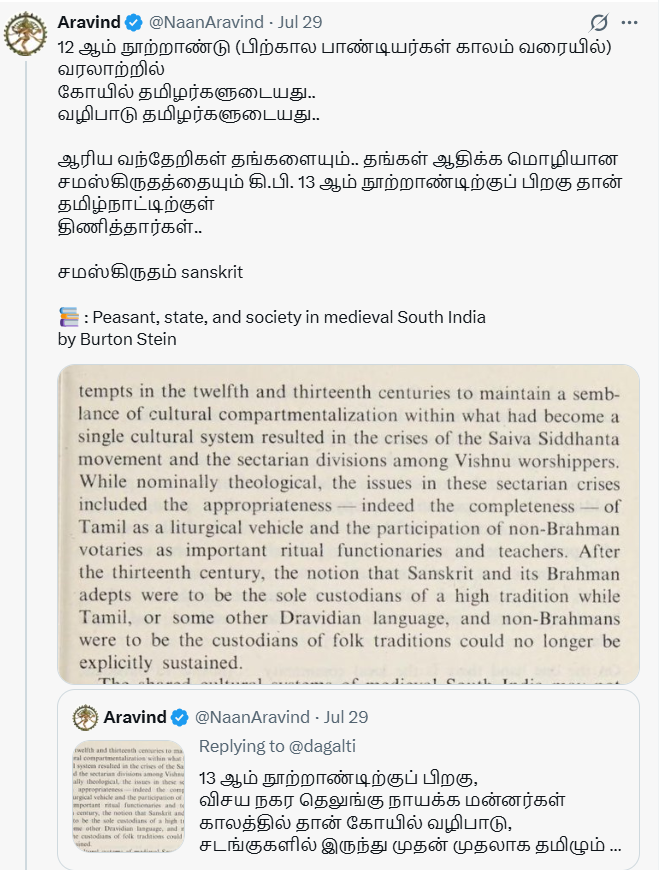
It was one rabid, frothing-at-the-mouth ‘Aravind’ who started off with an obtuse set of TamilSupremacist-Dravidian assertions. Pure unadulterated hatecraft. Usual story/fiction: Aryan invaders foisted themselves and Sanskrit on Tamilnadu post 13th century CE.
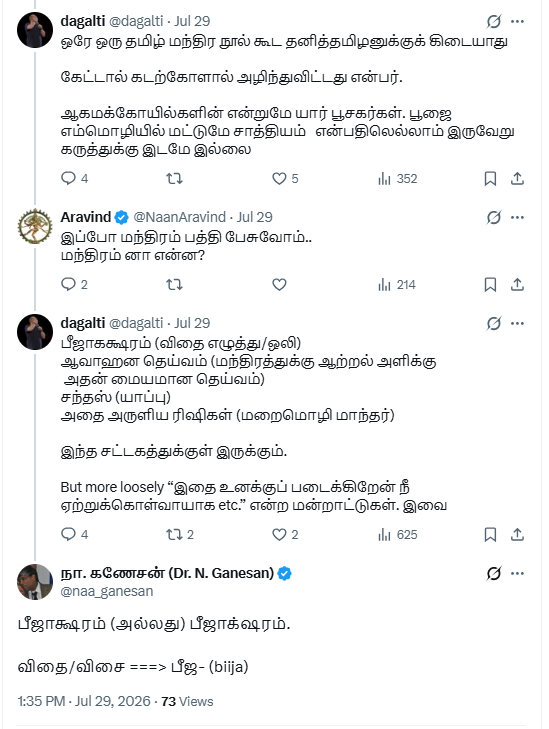
Here’s were Sri N Ganesan (henceforth NG) introduces the idea as in the subject/title of this post.
I responded to him – and this post is the result of that undertaking from me to respond soon.
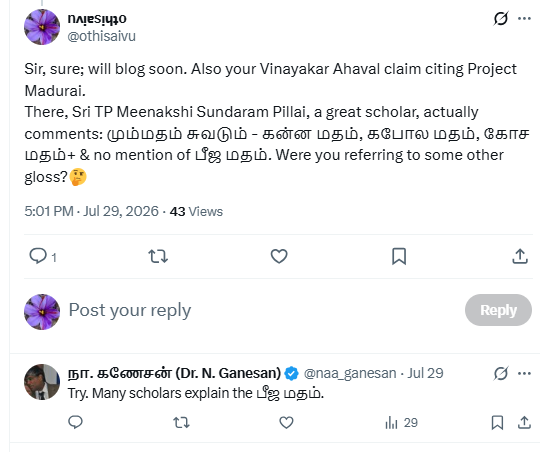
There was also another short exchange between me and NG:
Rest of the post is going to be about expanding on my observation:
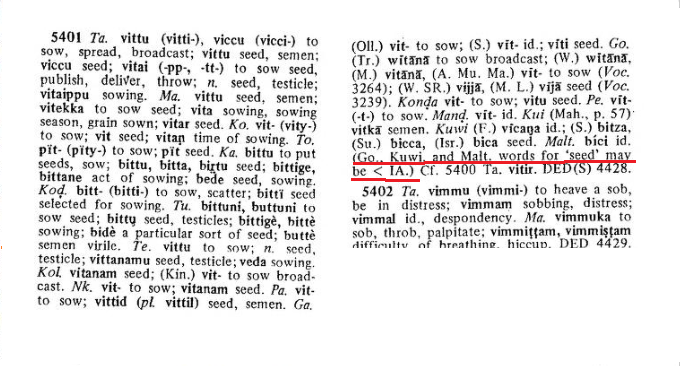
~”Sanskrit bīja ‘seed’ derives from Dravidian vittu/viccu/vīca” is NOT established by DEDR 5401 & is phonologically weak as presented.
Ideally I would like to use ‘Dravidian’ instead of Dravidian, since it is a made up category-name chistened fairly recently, unlike the monikers Tamil or Sanskrit. It also has this heavy baggage of having been politically loaded. But, writing ‘Dravidian’ everytime could be jarring, so am avoiding that.
To the extent that my typing would allow for, I have used International Phonetic Alphabet (IPA), showing the correct pronunciation..
2
DEDR 5401
Dravidian Etymological Dictionary of 1984 (often abbreviated as DEDR), is a major academic resource painstakingly compiled and annotated by T. Burrow and M. B. Emeneau. Very reasonably comprehensive.
DEDR 5401 refers to a particular entry – that groups a large set of Dravidian forms meaning ‘sow’, ‘seed’, ‘semen’, ‘testicle’, and related notions. The distribution across South, Central and North Dravidian languages makes the underlying Dravidian family cohesive.
It is important to remember as a backgrounder that, DEDR is a comparative dictionary organised into proposed etymological groups, rather than a series of claims that every listed surface form must be inherited directly and regularly.
The important qualification occurs in the entry itself:
“Go., Kuwi, and Malt. words for ‘seed’ may be < IA.”
That warning matters. Burrow and Emeneau were explicitly allowing that forms such as Gondi vījā, Kuwi bica/bicca, and Malto bíci might be loans from Indo-Aryan, presumably from forms related to Sanskrit bīja.
Therefore, these particular forms cannot safely be used as independent evidence for a Dravidian development.
vittu -> viccu -> vīca -> bīja
That would risk circular reasoning. Some of the closest-sounding forms may already be Indo-Aryan loans.
3
What can reasonably be reconstructed for Dravidian?
The underlying family is usually represented approximately as something like:
verbal base *vit- / *vitt-, ‘to sow, scatter seed’
noun *vitt-, ‘seed’
derivatives with suffixes, such as Tamil vitai
The exact Proto-Dravidian reconstruction depends on how alternations among vit-, vitt-, vitay-, vicc- are analysed.
Tamil forms such as:
வித்து vittu, seed, semen
விதை vitai, seed
விதை- vita(i)-, to sow
விச்சு viccu, seed or sowing-related form
…belong to the same general Dravidian lexical family according to DEDR. That much is reasonable.
But DEDR 5401 does not itself reconstruct Sanskrit bīja from this family.
So, the reason as to why this extract was used by NG is not at all clear!
4
Is vittu > viccu plausible?
Tamil and its sister/other languages exhibit historically conditioned palatalisation and alternations involving k/c, c/y, and consonants adjacent to front vowels or y. However, a specific development vittu > viccu requires its own comparative and morphological evidence and should not be justified by a general Tamil rule tt > cc.
One cannot simply posit a general rule:tt > cc, without specifying:
the earlier phonological environment
the chronological stage
parallel examples
whether the form is inherited, dialectal, analogical or expressive
The examples given in the claim of NG do NOT establish such a rule.
பச்சை : பாசி – paccai and pāci cannot simply be treated as an illustration of free cc : c alternation. Their vowel quantities, morphology and lexical histories also need explanation.
கொவ்வை : கோவை – This pair likewise involves more than geminate simplification. It has differences in vowel length and medial consonantal structure.
Similarity alone does not prove that it illustrates the development required for vittu > viccu.
விச்சு : வீசு – This comparison is particularly problematic.
Tamil வீசு vīcu, ‘to throw, fling, wave, blow, spread’, belongs in DEDR to a separate comparison associated with scattering or throwing, referenced by DEDR 5400 vitir- in the quoted entry. DEDR’s “Cf. 5400 Ta. vitir” indicates comparison, not an assertion that vīcu regularly derives from vittu.
A derivation such as vittu > viccu > vīcu would require, at minimum:
tt > cc
loss of gemination cc > c
i > ī
and a semantic development
It may possible that each step might conceivably occur somewhere, but the sequence needs evidence.
It cannot be inferred merely from resemblance as comfortingly assumed & indicated by NG.
In fact, this ‘resemblance’ issue is the one that is there in most of the takes of ‘folk etymologists’ like Mannarmannan & Paari Saalan, that plague the Tamil discussions.
5
The proposed vīca > bīja equation
This is the weakest part of the argument or the process for claim by NG.
Sanskrit bīja /biːd͡ʑa/ ‘seed’ and a proposed Dravidian form vīca or vīja look moderately similar, but historical etymology requires regular sound correspondences.
A borrowing from Dravidian *vitt- into Indo-Aryan as bīja (as claimed by NG) would definitely require explanations for:
Dravidian
Sanskrit
Problem
initial v-
b-
Possible in some borrowing situations, but must be demonstrated
medial -tt-
-j-
No obvious regular substitution
final consonant
final -a
Sanskrit nominal adaptation is possible
short i
long ī
Requires an account or an example
geminate stop
voiced palatal affricate
Major unexplained change, this is surprising
The change *vitt- > bīja- is therefore not a transparent or recognised sound substitution – UNLESS NG can satisfy every one of the above 5 criteria.
One might instead compare the later Dravidian forms vīja, bica, bíci, but DEDR itself warns that precisely these may come from Indo-Aryan.
They are consequently poor evidence for the opposite direction (Dravidian -> Sanskrit) of borrowing.
6
What is the accepted etymology of Sanskrit bīja?
Sanskrit bīja unquestionably means ‘seed’, and by extension ‘germ’, ‘source’, ‘cause’, generative material, semen and, in tantric usage, a ‘seed syllable’. The semantic explanation of bīja-mantra as a compact sound containing generative spiritual potency is traditional and unobjectionable.
I will NOT dispute that its deeper etymology, however, is uncertain at least in my limited knowledge. It seems to lack a straightforward and universally accepted Indo-European derivation. Such uncertainty makes a substrate or borrowing hypothesis possible in principle, but:
‘Uncertain within Indo-European’ does not automatically mean ‘borrowed from Dravidian!’
To establish Dravidian origin, scholars like NG would definitely need:
a reconstructible Dravidian source form predating Indo-Aryan attestation
regular or independently paralleled sound substitutions
plausible geographical and chronological contact
and exclusion of borrowing in the reverse direction
The proposed argument of NG supplies mainly semantic similarity and surface resemblance.
But one needs arguments that are really sound and substantive to present a scholarly take!
7
Is vit- a Sanskrit dhātu derived from Dravidian?
The wording of NG: “vit- is the dhātu-vēr in Dravidian” unfortunately mixes Sanskrit grammatical terminology with comparative reconstruction.
A better formulation would perhaps be: “Proto-Dravidian appears to have had a verbal root or base *vit- / *vitt-, ‘sow’.”
Calling it a dhātu is understandable informally, but Sanskrit grammatical roots and comparative Dravidian reconstructions belong to different descriptive frameworks.
Further, the existence of a (A) Dravidian root *vit- does not show that (B) Sanskrit bīja comes from it.
The two propositions A and B are separate which NG has to note of.
8
The Vināyakar Akaval claim
The contentious line is: “மூன்று கண்ணும் மும்மதச் சுவடும்..”
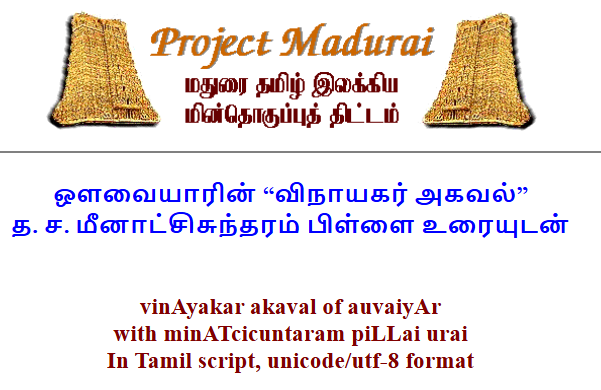
Project Madurai’s text (specifically cited by NG) and commentary interpret மும்மதச் சுவடு as the marks or traces produced by three kinds or streams of elephant rut-fluid. The particular commentary of the great Sri TP Meenakshi Sundaram Pillai, hosted there gives the names of those 3 as: கன்ன மதம், கபோல மதம், கோச மதம்…
…one would suppose that, after referring to the Project Madurai in the context of Akaval, NG would quote this exact reference, actually cited by him!
But NG ‘quotes’ something different! கர்ண மதம், கபோல மதம், பீஜ மதம்!! பீஜ and NOT கோச as in his reference! When asked about NG replied, as in the snippet from the Section1 above – “many scholars explain the பீஜ மதம்.”
I was slightly surprised by the defensive ‘I am my own citation’ kind of response, but that’s not a significant issue in the big picture of a host of other concerning lacunae in the claims of NG.
Of course one is aware that in a few glosses of the phrase mummdam, bīja-mada is given as a lexical explanation – but then NONE of them are of the incredible scholarly levels of Sri TPM Pillai!
Therefore:
மும்மதம் in the poem has no etymological bearing on Sanskrit bīja.
The reading பீஜ மதம் appears to be one modern anatomical or Sanskritising gloss among variants.
Even were bīja-mada an authentic technical term, it would merely use Sanskrit bīja in the sense ‘semen/generative fluid’. It would not prove that bīja originated in Tamil or Dravidian.
The poem ‘Vinayakar Akaval’ brought in by NG to prove his claim, is consequently irrelevant to the proposed etymology.
9
Conclusion
I hope, at least Dr N Ganesan has read this far… :-) In spite of this post is already some 1900+ words in length! Loooooong form indeed! But I think it would be an useful template or a framework to respond to such claims, hopefully… at least for me!
It also took me upwards of 7 hours to process claims, collect details, organize them and then respond comprehensively (one hopes so!) to the claims made by NG.
But.
I would be very eager to know NG’s response (and interested others) in terms of defending or revising his claims – point-by-point AND with tangible, verifiable & scholarly evidence.
Anyway. Here’s hoping this would encourage decent & evidence-logic based discussions on one of the vexatious issues with our Tamil. Thanks.
கடந்தமாதம் நடந்த தமிழகச் சட்டமன்றத் தேர்தல் (ஏப்ரல் 23, 2026) சமயத்துக்குச் சுமார் மூன்றுநான்கு வாரங்கள் முன், நானும் ஒரு நண்பனும் தமிழக அதிகார வர்க்கச் சூழல் குறித்தும் உரையாடவேண்டிய அவசியம் ஏற்பட்டது. இதற்கு முகாந்திரங்களாக இருந்தவை, மூன்று விஷயங்கள்:
மத்திய அரசின் ப்ரெஸ் இன்ஃபர்மேஷன் ப்யூரொ (PIB) 26 மார்ச் 2026 அன்று வெளியிட்ட, ஒரு நாடாளுமன்ற கேள்விபதில்: PARLIAMENT QUESTION: SANCTIONED POSTS OF IAS/IPS – Posted On: 25 MAR 2026 1:34PM by PIB Delhi
என் தூரத்து நண்பன் ஒருவன், தான் ஆரம்பிக்கவிருக்கும் (ஒரு MSME வகை ஆனால் அதிதொழில் நுட்பம்) தொழிற்சாலைக்காக வசதிவாய்ப்புக்காக காலதேசவர்த்தமானம் பார்க்க ஒருமாதிரி அணில்முதுகு மணற்துளியாகவாவது உதவிசெய்யலாமோ என்றொரு எனதெண்ணம்.
நம் அண்ணாமலை அல்லது விஜய்குஜய் அல்லது சீமானோ தப்பித்தவறி முதலமைச்சராக ஆகிகீகிவிட்டால், அப்போதாவது ஏதாவது நல்லது தமிழகத்துக்கு நடக்கக்கூடுமா?
…நண்பன் பொதுவாக, ஒருமாதிரி தேசியச் சிந்தனை கொண்டவன். படித்தவன். பண்பாளன். தொழில் முனைவோன். அரசாங்கங்களின் உயர்மட்டங்களில் ஊடாடுபவன்; பலப்பல அரசியல் விவகாரங்களையும் வினோதங்களையும் விசித்திரங்களையும் அறியக்கூடிய நிலையில் சமூகத்தில் ‘அட்ஜஸ்ட் செய்துகொண்டு’ இருப்பவன். முடிந்தவரை பிறருக்கு உதவியாக இருப்பவன், விளம்பரம் இல்லாமல் பணி செய்பவன். என்னிடம் சர்வ நிச்சயமாக உள்ளொன்று வைத்துப் புறமொன்று பேசாதவன்… அதே சமயம், realpolitik எனப்படும் ‘அரசியலில் இதெல்லாம் சகஜமப்பா’ போக்குகளையும் வெறும் நமட்டுச்சிரிப்புடன் பார்க்காமல், அரசியல் அத்தியாவசியங்களின் வழி நோக்குபவன் – ஒப்புக் கொள்கிறானோ இல்லையோ, புரிந்தாவது கொள்பவன். + பிரமிக்கத் தக்க வகையில், ஒருமாதிரி ‘காமராஜ்’ காங்கிரஸ் வகை அனுதாபியாக (கோமாளிக்கோமக ராஹுல்காந்தி பாரத எதிரியாக முழுமையாக உருமாறிய வரையாவது) இருந்தாலும், ஒருகாலத்திலும் மோதியையோ பாஜகவையோ நம் அண்ணாமலையையோ தேஜஸ்வி ஸூர்யாவையோ தேவையற்று கரித்துக் கொட்டியிருந்திருப்பவனல்லன். தொழில்நுட்ப பொருளாதார வளர்ச்சி மூலமே சுபிட்சம் சாத்தியப்படும் என நினைப்பவன். பொதுவாகவே திராவிடனல்லன், ஈவெராவுக்கு நன்றி. கொங்கு நாடன். பலவகைகளிலும் கோணங்களிலும் என்னுடன் ஒத்துப்போகிறவன்.
இவனுக்கு, தமிழக அதிகாரவர்க்கம், அரசியற்கோலாகலம், ஊழற்சூழல் பற்றி அளவுக்கதிகமாகவே (நேரடியாகவோ அல்லது அவன் நண்பர்கள் மூலமாகவோ) தெரிந்திருக்கிறது என்பதென் எண்ணம்.
எனக்கு அப்படியில்லை – மூன்று நான்கு ஐஏஎஸ்-ஐபிஎஸ் அதிகாரிகளானவர்கள் இந்த ஒத்திசைவு எழவு மூலமாகக் கொஞ்சம் அறிமுகமாகியிருந்தாலும், அவர்களுடனும் அதுவும் வெகு அபூர்வமாகவே ‘வணக்கம் சௌக்கியமா, இந்தப் புத்தகம்/கட்டுரையைப் படித்திருக்கிறீர்களா?’ வகை உரையாடல்கள் மட்டுமே, பெரும்பாலும் இதுவரை நடந்திருக்கின்றன, பாவம், தப்பித்தார்கள் அவர்கள்… (எப்படியும், அவர்கள் இன்றைய தேதியில் எங்கே என்ன செய்துகொண்டிருக்கிறார்கள் என்பவற்றைத் துளிக்கூட அறியேன்)
2
எங்கள் உரையாடல்/நரையாடல்களில் இருந்த – இந்தப் பதிவின் தலைப்பு/பாடுபொருளுக்கான விஷயங்களை மட்டும் இங்கே கொடுக்கிறேன்.
சரி. தமிழகத்தில் எவ்வளவு இந்திய ஆட்சி/காவல் துறை உயர் அதிகாரிகள் இருக்கவேண்டும், இருக்கிறார்கள்? (பிற மத்திய சேவை அதிகாரிகள், தமிழக ஆட்சித்துறைக்காரர்கள் தாஸில்தார்கள், பிடிஓ, பிற ரெவின்யு அதிகாரிகள், பிற அரசதிகாரிகள் (ஆசிரியர்கள், மருத்துவர்கள்++ கணக்கீடுகள் இதில் சேர்க்கப்படவில்லை)
கீழ்க்கண்ட (மார்ச் 2026 கால எண்ணிக்கைகளைக் கொண்ட) அட்டவணை, பிஐபி தளத்திலிருந்து எடுக்கப் பட்டது.
Service / பணி
Total authorised strength / மொத்த அனுமதிக்கப்பட்ட பணியிடங்கள்
Officers in position / தற்போது பணியில் உள்ள அதிகாரிகள்
Shortfall / பற்றாக்குறை
IAS / இந்திய ஆட்சிப் பணி
394
343
51
IPS / இந்திய காவல் பணி
276
242
34
இதன் படி, 670 அதிகாரிகள் இருக்கவேண்டிய இடத்தில் 585 அதிகாரிகள் இருக்கிறார்கள். பற்றாக்குறை = 85, அதாவது ~13%.
சரி.
ஒரு பேச்சு வாக்கில், இவர்களில் எவ்வளவு பேர், செய்நேர்த்தியும் துணிவும் செயல்திறனும் கொண்ட நேர்மையான அரசதிகாரர்களாக இருப்பார்கள் என நம்மால் அனுமானிக்கக் கூடும் எனக் கேட்டேன். அரசசதிகாரிகள் சதவீதத்தையும் தான்.
அவன் சொன்னது, நேர்மையானவர்கள் சுமார் 5% இருக்கலாம் என்றான். எனக்குப் பெரிதாகத் தூக்கிவாரிப் போடவில்லை என்கிற உண்மையை ஒப்புக்கொள்ள வேண்டும். ஆனால், அது 10-15% இருக்கலாம் என அனுமானித்திருந்தேன்.
மேலும், அரசதிகாரிகள் அனைவருமே ஊழல் பெருச்சாளிகள் என ஒரு முன்முடிவுக்கு வருவது சரியல்ல என்பதையும் அறிந்துதான் இருக்கிறேன் – ஏனெனில், அவர்களில் பலர் ஊழல் எலிகளாகவும் ஊழல் மூஞ்சூறுகளாகவும் இருக்கக்கூடும் என்கிற சாத்தியக்கூறையும் கணக்கில் கொள்ள வேண்டுமல்லவா?
எது எப்படியோ – கீழ்கண்டவைகள் உரையாடப் பட்டன.
பொதுவாகவே, இந்த ~95% வகை அதிகாரிகளை உந்தும் க்ரியாசக்திகளாவன, அதாவது அவர்களின் ‘பண்பு’களானவை:
‘புல்லுக்கும் ஆங்கே பொசியுமாம்’ மனப்பாங்கு + சுயகாரியப் புலித்தனம் + தேனை எடுக்கும்போது புறங்கையையும் நக்குதல் + உயர்தர, உயர்மட்ட அடியாட்களாகச் செயல்படுவது + தடிமன் தோல் + மாட்டிக்கொண்டாலும் தப்பிவிடும் பாங்கு + அவர்களுடைய அஸோஸியேஷனை வைத்து எதிர்மறை விஷயங்களை அமுக்குவது + ஜால்ரா போடும் வல்லமை + அனுசரித்துப் போகும் தன்மை + ‘நெளிவு சுளிவுகள்’ அறிதல், திராவிட அரசியல்வாதிகளுக்கே பாடம் எடுக்கும் வல்லமை மிக்க திறமை இன்னபிற…
முட்டுக்கட்டைகள் போடும் திறன் மிக்கவர்கள் ஆனால், அதே முட்டுக்கட்டைகளைத் தாண்டி அல்லது அவற்றைச் சுற்றிக் கொண்டு வழி காண்பதிலும் சமர்த்தர்கள் அவர்கள். சட்டங்களையும் சட்டகங்களையும் மாண்புகளையும் செல்லாக்காசாக ஆக்கும் வழிமுறைகளை ஐயந்திரிபற அறிந்தவர்கள்.
கலெக்டர் என்கிற வேலைப்பெயருக்கு ஏற்ப கலெக்ட் செய்து கொடுக்கும் வழிமுறைப் பழங்களைத் தின்று கொட்டையும் போட்டவர்கள்.
அவர்களுக்கு எதிரான விசாரணைகளை முடுக்கிவிட மத்திய அரசின் டிஓபிடி (dopt.gov.in/) செல்லவேண்டும் – ஆனால் அதுவரை செல்லவிடாமல், மாநில திராவிட அரசுகளே, அதன் அரசியல்வாதிகளே காப்பாற்றும் படிக்கு, விசுவாசமானவர்களாக அவர்கள் திகழ்கின்றனர்.
கடந்த சிலபல பத்தாண்டுகளாக, யூபிஎஸ்ஸி பரீட்சைகள் எழுதுவதற்கு முன்பிலிருந்தே ‘பணம் பண்ண வேண்டும்’ என்கிற முக்கிய அடிநாதக் குறிக்கோளுடன் தான் பல இளைஞர்கள் இருக்கிறார்கள் – ஆக, அவர்களிடமிருந்து எப்படி தரத்தை எதிர்பார்க்க முடியும்?
(இன்னமும் நீண்ட ஜாபிதா இருக்கிறது – ஆனால் எனக்கு அயர்வாகவும் சலிப்பாகவும் இருக்கிறது, ஆகவே…)
அதே சமயம் நாமெல்லாம் ஒர்ரேயடியாகத் தளர்ந்து தத்தளித்துத் தவிக்கவேண்டிய அவசியமும் இல்லைதான். ஜொலிக்கும் ஐஏஎஸ் அதிகாரிகளும் இருக்கிறார்கள். வெறும் ஏவல்துறை ஏவலாட்களாக இல்லாத, மனச்சாட்சிமிக்க ஐபிஎஸ் காவல் துறை உயரதிகாரிகளும் இருக்கிறார்கள்கூட. ஆனால் எண்ணிக்கையில், மொத்தமாக அவர்கள் சுமார் 20-30 பேர் இருக்கலாம் என்றான்.
சரியென்ற நான் அவனிடம், “அண்ணாமலை போன்ற ஐபிஎஸ் அதிகாரியையும் அஷோக் கெம்கா போன்ற ஐஏஎஸ் அதிகாரியையும் நாம் ஒரு முன்மாதிரிகளாக, உதாரணபுருஷர்களாக வைக்கக் கூடுமானால், உன்னால் எவ்வளவு தமிழக அதிகாரிகளைக் குறிப்பிட்டுச் சொல்லமுடியும்? அவர்களையே ஒற்றி எடுக்கவேண்டிய அவசியமில்லை – ஆனால் தன்னளவில் செய்நேர்த்தியும், தன்னூக்கமும் தொழில்தர்மமும் அவர்கள் கொண்டிருந்தால் போதுமானது… எனக்குப் பெயர்களைச் சொல்லவேண்டிய அவசியமில்லை…”
அவசர கதியில் சிந்தித்த அவன், தனக்குள்ள செய்திவாய்ப்புகளின்படி – சுமார் 30 பேர் தமிழக அளவில் அப்படி இருக்கலாம் என்றான். நானும் அடுத்த வாரம் இதுகுறித்து மறுபடியும் பேசலாம், யோசித்து என்னை திடுக்கிட வைக்காத ஒருமாதிரி மதிக்கத்தக்க எண்ணிக்கையைக் கொடு, ஏற்கனவே எனக்கு இதயம் நலிந்த நிலைமையில் இருக்கிறது, கபர்தார் – என்றேன். “If not anything else, I am very curious about what the final numbers would be, in your opinion…”
பிரச்சினை என்னவென்றால் – அவன் தன் சிலபல நண்பர்/அறிமுகங்களிடம் இது குறித்து தேவை மெனெக்கெட்டு விசாரித்திருக்கிறான். ஆக, அடுத்தவாரம் அவன் சொன்னது – தான் 16 பேர் தான் இந்த ஜொலிக்கும் வகைப் பகுப்பில் இருக்கிறார்கள் என்பதை நிறுவமுடியும் என்றான்! அடக் கடவுளே!!
அவர்களுடைய பெயர்களைப் படிக்கவா என்றான் – நான் அதெல்லாம் வேண்டாம் என்றேன். (ஏனெனில், என்னுடைய அறிமுகங்கள் அந்த ஜாபிதாவில் இல்லாமல் போய்விட்டால் நான் என்ன செய்வேன், சொல்லுங்கள்? மேலும் – அவனும் அத்தனை 580+ பேர்களின் ஜாதகங்களைக் கணித்திருப்பானா என்ன, எல்லாம் ஒரு மாதிரி குண்ட்ஸ்தான் – என்பது என் சால்ஜாப்பு)
எப்படியும் ‘பெய்யெனப் பெய்யும் மழை’ வகையினராகக் குறைந்தபட்சம் 16 பேர் சர்வ நிச்சயமாக, நம் தமிழகத்தில் (அதன் திராவிடத் தொற்றையும் மீறி!!) இருக்கிறார்கள் என்பதே எனக்குக் குதூகலம் கொடுப்பது…. அவ்ளோதான். :-)
3
நிலைமை இப்படி இருக்கிறது. 16 பேர்களில்லை, 100 பேர்கள் இப்படி இருக்கிறார்கள் – நண்பனுக்குத்தான் தெளிவில்லை, சும்மா உதைநிதி ஸ்டாலின் போல அட்ச்சிவுடுகிறான், எத்தையாவது குட்டையைக் குழப்பிக் கிளப்பிவிடுகிறான் என்று வைத்துக்கொண்டாலும் [ எல்லாம் ஒரு சால்ஜாப்புக்குத்தான் சொல்கிறேன், என்னெருமை சக ஏழரைகளே! :-( ]இது வெறும் 17% தான். வருத்தமாக இருக்கிறது.
சரி.
ஏதாவது பயங்கர ஆச்சரியம் நிகழ்ந்து நம் அண்ணாமலையோ அல்லது விஜய்குஜய்யோ அல்லது சீமானோ அறுதிப் பெரும்பான்மை கிடைத்து, தமிழக முதலமைச்சராகும் வினோதம் நிகழ்ந்தால், அவர்கள் எப்படி இந்தத் தரம் தாழ்ந்த உயரதிகார வட்டத்தைச் செப்பனிட முடியும் என்று கதிகலங்கிப் போய் கேட்டேன்… பின் அவனும் நானும் அடித்த அரட்டையின்படி ஒருமாதிரி எனக்குத் தெளிவான விஷயங்கள்…
முக்கியமான துறைகளில் இந்தப் பதினாறு பேரில் பத்துபேர் போல வைக்கலாம். மிச்சமுள்ள ஐந்தாறு பேரை (இவர்கள் வெகு ஸீனியர்களாக இருக்கவேண்டும்) ஒரு நேர்த்தியான குழுவாக அமைக்கவேண்டும்; முதல்வரைச் சுற்றிய முதல் வளையமாக, அவருடைய குறிக்கோட்களை நிறைவேற்றுபவர்களாக, அவருக்கு ஆலோசனை கூறுபவர்களாக இவர்கள் இருக்கவேண்டும். இக்குழு, பிற அதிகாரிகளையும் அமைச்சர்களையும் துறைகளையும் தயவு தாட்சண்யமின்றி மேற்பார்வை செய்யக்கூடிய தகுதி அளிக்கப் பட்டதாக இருக்கவேண்டும்.
மத்திய அரசோடு இணக்கமான போக்கைக் கையாளக் கூடிய தன்மை படைத்ததாகவும் இருக்கவேண்டும். ஊழல் வழக்குகளில் நீதிமன்றங்களுடனும், மத்திய அரசமைப்புகளுடனும் ஒத்துழைக்கும் மனப்பான்மையுடைவர்களாகவும், பழம்பெருச்சாளிகளை (கட்சிபேதமே பார்க்காமல்) உள்ளே தள்ளுபவர்களாகவும் இருக்கவேண்டும். ஓசிகளைப் படிப்படியாகக் குறைக்கும் மனவலி படைத்தவர்களாகவும் +++
~85 காலியிடங்கள் – இவற்றை மேற்கண்ட குழுதான் நிர்ணயித்துச் சரியான நபர்களால் ஈடுகட்ட வேண்டும்; தேவைப்பட்டால், வெளி மாநிலங்களிலிருந்து இவர்களைக் கடன் வாங்க முடியுமா எனப் பார்க்கவேண்டும் – இதனைச் செய்தாலே, ஒரு பெரிய நல்ல வழிகாட்டுதலாக இருக்கும்.
இப்போது யார் வந்தால் இதெல்லாம் (அப்படியே அல்ல – அதாவது ஒருமாதிரி நல்லாட்சி நடத்தப்படுவதற்கான முஸ்தீபுகள், உந்துதல்களாவது) நடக்க வாய்ப்புகள் இருக்கும் எனப் பார்த்தால்
சீமான்: ஏறத்தாழ நடக்கலாம் – ஆனால் உணர்ச்சி கரமைதுனமும் பாரத எதிர்ப்பும் தலை தூக்கலாம்.
விஜய்: இதில் ஒன்றும் நடக்காது – நல்லெண்ணங்களே இருந்தாலும் நடக்காது; அவருடைய கட்சியின் கட்டமைப்பும், எதிர்பார்ப்புகளும், நிதர்சன உண்மைகளும் அப்படி. மேலும் இவர் தவெக என்பது ஒரு உணர்ச்சிகர திராவிடக் கட்சி மட்டுமே; அதில் இளைஞர்கள் பலர் ஆர்வத்துடன் இருக்கிறார்கள் என்பது ஒரே சமயத்தில் ஆதூரத்தையும் துக்கத்தையும் அளிப்பது.
அண்ணாமலை: இவர் கீழ் நல்ல விஷயங்கள் நிச்சயமாக நடக்கும். அதற்கேற்ற உழைப்பும், மூளையும், காலமும் அவருக்கு இருக்கிறது. அதிகாரிகளை அரவணைத்தும் அடாவடி செய்தும் இணங்கவைத்து தேசவளர்ச்சிக் காரியங்களை செய்துகொள்ள அவரிடம் அனுபவமும் ஆற்றலும் இருக்கிறது.
(ஆனால், நானுமே பெரிதாக எதிர்பார்க்காத – ஆனால் என் முன்னாள் மாணவர்களின் ப்ரத்யட்ச விஜய்விசிறித்தனங்களால் ஒருமாதிரி நிலைக்கு வந்து தமிழகவெற்றிக்கழகமேகூட ஒரு மாதிரி வெற்றி பெறலாம் எனப் பயந்துகொண்டிருந்ததே ப்ளடி நடந்தேறி விட்டது; திமுக அஇஅதிமுக பொறுக்கிப் பெருச்சாளிகள் நேரடி ஆட்சியில் இல்லை – ஆனால் ஊழல்பெருச்சாளிகளையும் கம்யூனிஸ்ட் தண்டங்களின் ஆதரவையும் கடன்வாங்கி மடியில் கட்டிக்கொண்டு ஆட்சியோட்ட முனையும்போது, அவருடைய குஞ்சாமணியும் ஏகத்துக்குக் கடித்துக் குதறப்பட்டுக் கொண்டிருந்தால், தேசஒருமைப்பாடாவது, வளர்ச்சியாவது, சுபிட்சமாவது, ஊழலின்மையாவது… பார்க்கலாம், விஜய்குஜய் மூலம் தமிழகத்துக்குக் கொஞ்சமாவது விடியல் கிடைக்குமா என்று…)
4
சரி, தொழில்முனைய விழைந்த என் நண்பனுக்கு என்னவாயிற்று.
திராவிடமே இது பொய்யடா வெறும் காற்றடைத்த பையடா
தமிழகத்தின் (தொழில்முனைவு தொடர்பான) பலப்பல விஷயங்கள் எனக்கு ஒத்துவரவில்லை.
ஆகவே. அவனை எனக்குத் தெரிந்த உத்தரப் பிரதேச நொய்டா பகுதிக்காரர் ஒருவரிடமும், ஹைதராபாத்-விசாகப்பட்டினம் பகுதிகளில் நல்ல அறிமுகங்களைக் கொண்ட இன்னொருவரிடமும் கோர்த்து விட்டிருக்கிறேன்; பார்க்கலாம் என்ன நடக்கிறது என்று.
(ஏனெனில் அங்குள்ள ஆட்சியாளர்கள் தகுதிவாய்ந்த அரசதிகாரிகளை நியமித்திருக்கிறார்கள் என என் நண்பர்கள் சொல்கிறார்கள், ஊழலும் தமிழக அளவு உச்சாணிக்கிளையில் இல்லை எனவும் சொல்கிறார்கள்)
(முதற்கண்: இந்த விஜய் வெற்றிபெற, அவரை ஆட்சிக்கட்டிலில் அமரவைக்கவென புரிந்துகொள்ளவே முடியாமல் உடல்பொருள்ஆவி++ அனைத்தையும் கொடுத்து உழைத்த, என்னுடைய அத்தனை முன்னாள் மாணவர்களுக்கும் வாழ்த்து சொல்ல சங்கடமாகவே இருக்கிறது. ஆனால் சனியன்கள் ஒழிந்தன என்பதும் ஒருமாதிரி ஆசுவாசம் தருவதுதான்.)
(ஒன்றரைக்கண்: ஆனால் – இது எப்படிப் போகும் என்பது பிடிபடவில்லை…
இருந்தாலும், அயோக்கிய கொள்ளைக்கும்பல் திராவிடக் கட்சிகள் குறைந்தபட்சம் டெம்பரவரியாகவாவது வீரியம் குறைந்தமை (இவை முழுவதுமாக அழித்தொழிக்கப் படவேண்டியவைதாம்!) குறித்து மகிழ்ச்சியே!
அதே சமயம், இந்த நடிகர் கட்சிக்குப் பெரிதாக ஐடியாலஜி கட்சித் திட்டம் என்று இருக்கிறது போலவும் தெரியவில்லை. இஷ்டத்துக்கு ஈவேரா போன்றவர்களை ஆதர்சங்களாக உள்ளிழுப்பதும், மத்திய அரசோடு அவசியமேயில்லாமல் மல்லுக் கட்டுவதும் போன்ற விஷயங்கள் கலக்கம் தருபவை, பஞ்ச் டயலாக் இழவுகளும்தாம் – தற்போதைக்கு அவரைச் சுற்றியிருக்கும் சந்தர்ப்ப-ஊழல் வாதிகளும்அமைதி தரவில்லை…
ஆனால்…
இந்த மாற்றம், நெடு நாள் நோக்கில் தமிழகத்தை உண்மையாகவே முன்னேற்ற உதவுமானால் அதுவும் நல்லதே! வேறென்ன வேண்டும், சொல்லுங்கள்?)
Tamilnadu assembly election 2026 that happened yesterday (23 April 2026), is/was itself an Exit Poll. Period.
Exit of DMK+ assorted, despicable scum, from the scene in TN — that is.
#D1’s electoral end and the beginning of its demise, I mean – of course along with its shamelessly indentured slaves.
…and then, the scum Dravidian1 group breaking up into insignificant pieces of rubble & dust.
One wishes so. One fervently hopes so.
I am willing to tonsure my head again at the feet of the Lord Skanda of Pazhani, if it happens; call me an irrational and sentimental fool, thanks anyway!
Doesn’t matter if some charismatic joker’s wild fanfluff (#D3) ignoramuses – OR a bunch of the other undesirables (#D2) get to wield power for the next term.
That #D2 should eventually follow its predecessor is another wish. Again #D3 to follow the graveyard-march schedule to which all Ds should be ultimately destined for… and that the massively irrelevant commies & the rabid jati-parties would close their decrepit shops & move on…
Am sanguine… or perhaps, am suffering from some virulent senile non compos mentis.
And, ah – yes the final fervent plea to my Isvara … is that, post the incineration of the anti-Hindu, anti-Bharat & spectacularly corrupt D ideology – the real worthies that would tangibly remain in the subsequent rounds of elections in my dear Tamilnadu, be BJP & NTK – them being opposite polls/poles along certain axes.
(this is a 2000+ word ‘essay’ interspersed with random screengrabs – so feel free to quit, now!)
1
…once in a while, given my circumstances and in spite of my rather insignificant capabilities, acumen & life experiences, I get the opportunity to work with some really bright, high IQ kids (and a significant number of such youngfolks – some of whom are still in touch with me, after all these years – and quite a few have become tech entrepreneurs), infused with a good work-ethic & finitiative – a fantastic product of their inherited genes, parental and other environmental factors nurturing them along… leading to & nudged along by their incredibly self-propelled curiosity, agency & capacity for slog. (Level-1)
ALL of them, stochastic combination of events & pathways, if you will, of course.
…and even with this already very thin population, only occasionally does one get even a sideways opportunity to talk about LENR, Quantum sensing, Microcontrollers, Dissipative structures, Fluid analogies, Recursions, Liouville’s theorem, Vlasov-Poisson system, Oort cloud, Kardashev scale, HAARP, Godel universe, Hamilton’s equations, Maxwell’s fantastic ideas, Bell’s theorem, Synthetic fuels, Super capacitors etc etc kind of magical stuff +++ +++ – with these autodidactic kids. (Level-2)
…and within this, there is a very very extremely thin slice of youngfolks who also have this incredible appetite for DIY.
Working with hands, I mean. The doers of the physical world. The non-conscious practitioners of Gnana & Karma yoga. Polymaths. (Level-3)
And, within this incredibly thin slice, there are some who have this bharatiyata also ingrained in them. +Bhakti yogins, I mean. (so far, even given my limited sample size & of course knowledge – I have met one such; so there must be several thousand such brilliances, given the size/population/diversity/scope of bharat!) (Level-4; would-be future Polymathaadhipatis!)
And so, when one gets that (really probabilistically very low chance) delirious luck of even bumping into Level-1 folks, that is definitely nor indifferently frittered away.
Definitely not by me, if I can help it.
One grabs such a grand-gift with infinite greed & enthusiasm. And, one seizes the day, night & everything in between, to provide even a hint of a nudge perhaps, like that mongoose from Mahabharata (Anugita parva?) or that squirrel from that Ramayana of Sri Gona Buddareddy (of ~13th Century CE?).
(or is the earlier reference to this gilahari/squirrel incident from Sri Thodaradippodiazhwar?? (of the very over-enthusiastically if not iffily dated usual & typical ‘Tamil’ timeline fiction trash))
…one grabs such folks, because the future of Bharat as a Civilization depends on them – for both thought as well as action leadership, moored in the bharatiya traditions dating back to the swirling mists of the pasts, while pushing for progress, oh the infinite & endless progress…
However, a sobering thought & reality is that of some 15+ ‘high potential’ lads/lasses (some 90% of non-Tamil parentage, many with ‘mixed’ backgrounds, language-wise; also true that 3 others dropped out after a few months of engagement) that I have been fortunate enough to work with, specifically on a 1-1 basis in the past few decades, only one young man is (still!) in Bharat. Incidentally, this lone youngman was/is also interested in Sanskrit. The very few Tamil ones, were clueless/non-curious about Tamil, could barely read it – the sigh of the times, what else!
Currently am sort of engaged with just one, intermittently with another; have become very choosy too, given my other commitments. And in any case, I don’t think any of them will stay back in Bharat, beyond a couple of years hence, at the very best.
A bummer, but ‘if what is leaking out a barrel is oil, then what is there in that barrel is likely to be oil.’ And, some lads may come back, not necessarily because of any notions of patriotism (fair enough), but may be because of opportunities, avenues & openings- that would make professional, career & comfort sense for them. May be. In all likelihood. Also, there may be ‘push factors’ from wherever they migrate/drift over too. (whatever that works for Bharat)
Again, I know that there are many, many kids with great potential, all over Bharat, spread across various stratifications in our society, who are merely waiting for opportunities and scope to flower – with or without affirmation action hijinks.
Irrespective of the above, am generally upbeat about Bharat, of course. Now, after the past 10+ years of BJP rule at the centre, even more so.
(screengrab from Captain Fantastic (2016))
2
Okay.
Whenever I see Physics school textbooks (especially of the world-famous education system of #DravidianModel Tamilnadu), I weep. I lament the fate of an endless number of hapless kids who go through the mostly pointless drivel – with all its horrible mistakes and meaningless nonsense.
Like for example, the laughable myth that electrons/charges run around the wires causing current – which we use to light up lamps (or in the Tamil case: for spreading darkness). To rub salt into the wounds, there are these infernal comparisons to plumbing systems that books routinely use, and the teacher-cheaters usually vomit out! Stupid analogies, bloody hell!
In fact, so incensed that I was because I had to deal with such useless texts year-after-freakin’-year, I feverishly wrote up a reasonable Physics textbook (within the ‘syllabus’) draft (for Higher Secondary) in some two months and even sent it unsolicited for free to TN textbook society. I also submitted/handed-over a printed copy of the text! (I think the office was then somewhere near College Road, Nungambakkam, IIRC)
(p.81 of Vol 1, 12th Grade Physics text book, reprinted in 2022; leave alone the fact that the idea is WRONG, even the water flowing out from the pipe is flowing to the left, a physical impossibility! TN Govt #DravidianModel text books are choc-a-block with such mistakes of cognition & representation, across subjects! Perfect models for ideal shoddiness!)
This was in 2011-12 or so, IIRC; of course, I followed up etc for a while and gave up. #DravidianModel hates excellence in anything, except in the case of its favorite activities of loot, rape, drugs, alcohol & propaganda.
…So, frustrated though I am, when I had to deal with some exhilarating stuff with a kid at Level-1 recently, I had to post about it on X, which of course had ‘become viral’ eventually and had a whopping 64, 000, 000, 000 x 10-9 views! Amazing!!
Never thought I could be such a great ‘social media influencer!’
Thanks for all the support. Really,
3
A note that I wrote to another lad, in the context of working with promising young fellows, last week:
Am focusing almost entirely on everyday macroscopic biology and chemistry — the stuff that makes up our human bodies, tissues, cells, molecules, and how they ‘touch’ or interact without literally contacting. Of course we have beaten these ideas to death, however, am providing a summary, wrapping up our such discussions, as we are nearing the endpoint of our youngagement.
In that specific domain (99.999…% of the forces we humans actually feel or experience in daily life), the electromagnetic force really does dominate all relevant interactions – and after beginning to work with you youngman, thinking about the whole deal as a constant background-nagging thread, dreaming of Poynting vectors, waking-up with a start and then occasionally ranting about life, meaning, reality, abstraction – and therefore – math, physics and the like – let me summarize, perhaps, the only fundamental truth:
We (including all the ‘inanimate’ objects that constitute our universe, including blackholes, stars, planets, neublae and insterstellar clouds) are all a coherent self-interacting formation of fascinating electromagnetic fields, and these fields are radiated and supported by small clumps of matter that are very extremely rarified/sparse in space and do not physically touch each other, at all.
(the source for the above italicized portion in my text is an adaptation/copy of the highlighted portion from the snippet)
Everything, E V E R Y T H I N G, including our objective reality, perception are all downstream of the above.
May be the energy (consciousness??) of the whole thing, carried by the aforesaid fields (also including the three other fundamental forces – weak nuclear, strong nuclear & gravitational) is what is called Brahman – as in Hindu-Indian philosophical systems.
Atman = Brahman. Of course.
(may be this is too much reality, completely orthogonal to talent search tests, schoolboard exams and syllabi, but the above summarizes what some ‘similarly disposed’ friends and I have been discussing/arguing over for a while now, not that these thoughts are original or anything!
(remember? aren’t we all are standing on the shoulders of giants? – and of course we have incidentally chatted about it a bit)
4
Oh well. I must also mention that, for a few years, I had been a part of a group/outfit which was supposed to focus on ‘gifted’ kids, give them exposure to various avant-garde things along with the development of ‘critical thinking’ in them etc etc – a fundamentally good idea (except critical thinking), but the effort is somewhat lumbering along in delirium because the addressable market is not tappable and scaling-up operations is oh so laboursome. The outfit also chases the chimera of ‘teacher training for excellence.’ My heartfelt best wishes to it. This is because, mostly it operates in ‘good faith.’
Anyway, I quit the outfit not exactly cordially, as the activities/core-ideas became more and more LeLi & Secular, more or less cabalish, if not totally into I-scratch-you and you-scratch-me ideology; of course – the founders were/are all exCorporate high-fliers, bright folks with pedigreed/hallowed education backgrounds – but with a twisted deracinated outlook.
That’s a long story, but the point is that – if at all there is some additional exposure given to bright students via non-govt sources/entities – it is mostly done only for urban-elite (this is not incorrect per se, and needs to be encouraged) save a few ‘scholarship’/sponsored lads from financially challenged families.
But Indian population is HUGE, and in each and every small village there are at least a couple of exceptional kids who need to be identified and nurtured – so that these kids and Bharat, benefit immensely from the efforts. There would of course be collateral advantages to these merit-based (really based) efforts like mediocrity falling by the roadside.
And, this can happen only via robust, long-term, Government funded special-ops schools, with their own dedicated/excellent staff, commanding good pay+infra structures.
5
A Nation/Civilization can meaningfully progress only when its talented folks are nurtured, admired & celebrated instead of the pursuit of the obtuse & criminal DIE (Diversity Inclusion Equity) nonsense. These talented folks would then help directly and/or indirectly via entrepreneurships, especially via hardcore manufacturing – thereby increasing GDP, employments scenarios and hence, more revenue for the Government.
Imagined victimhoods, hallucinated oppressions, propagandized historical-hysterical wrongs and the like will not take us anywhere. Nor do nondescript freebies. Nor do ‘blaming the past’ for our current inadequacies/fate…
“…die, DIE!”
Bharat’s education should focus on Engineering & Technology including design (and Sciences, selectively) instead of on bullshit stuff like sociology, cultural anthropology, english literature, MBA, post-modernism & political science(!!!) etc, including the ‘Critical Theory’ derivative nonsense! (of course including any X Y Z to which ‘studies’ is tagged/appended – like gender, women, dalit, subaltern, southasian etc)
Of course, we should take pride in our genuine civilizational achievements & listen to our hoary traditions; of course, if there are/were issues, we should acknowledge them, adapt and go.
(screengrab from Captain Fantastic (2016); of course as the Starwars grandmaster Yoda says, “Do or do not, there is no try.”)
As a nation, our foci should be on good nutrition availability for all children, affordable healthcare systems, more navodaya type schools extending to the block levels, ‘vocational’ current-trade courses, encouragement of entrepreneurship by closing down bullshit regulation/admin departments (whose only current focus is on graft and harassment) and spread of useful infrastructures.
(and am not very sure about the need for ‘more’ higher education institutions (anyway they are mainly for networking, elite formation & virtual signaling) except in the case of hard sciences, medicine, high-tech and the like – the rest would probably be irrelevant thanks to democratization of ideas, media, courses etc via the Internet)
6
मित्राणि धन धान्यानि प्रजानां सम्मतानिव।
जननी जन्म भूमिश्च स्वर्गादपि गरीयसी ॥
(6-124-17 Yuddhakanda, Valmiki Ramayana, Hindi Prachara Press, Madras (1930) – edited by Sri TR. Krishnachary, Edited by Sri TR. Vemkobachary; literal translation: “…friends, riches and the grains are highly honoured in this world. [but] Mother and mother-land are far superior to even the heaven.”)
END
(ps: am not sorry about the gratuitous+unsolicited advice and general rabidity embedded in the above post, they are my views after all, and of course, your mileage may vary – so be rather wary)
A while ago, the Ministry of Culture (of Govt of India) came out with a tweet on bharatanatyam in good faith, which was canonically correct and backed up by evidence. There was no hearsay or stupidity involved at all, but then… Read the rest of this entry »
Is there any evidence to say that ‘Sangam Age’ is a myth & that things do not add up? (of course this is not to say that ettuthogai works or later patthu-p-pattu collection don’t exist)
அம்பேத்கர் மற்றும் அப்போதைய பல தலைவர்கள் இந்திய அரசியலை இந்து முஸ்லிம் பிரச்சினை என்னும் கண்ணோட்டத்திலும் தலித் உயர்சாதி என்னும் கண்ணோட்டத்திலும் தான் பார்த்தார்கள். மற்ற விசயங்கள் அவர்களுக்கு தெரியவில்லை. ஈவேரா இந்தி பள்ளிக்கூடம் தொடங்கியவர். தனது கடைசி காலத்தில் கூட இந்தி எதிர்ப்பாளர்களை காலிகள் என விமர்சித்தார். அவர் குறித்து ஏன் குறிப்பிடவில்லை.
மேற்கண்ட பின்னூட்டத்துக்கு என் ஒருமாதிரியான பதில்:
வெ. ராமசாமி Says: March 20, 2025 at 20:21
ஐயன்மீர்! கருத்துகளுக்கு நன்றி. ஈவெ ராமசாமி, தன் இறுதிக் காலங்களில் ஹிந்திஎதிர்ப்பை எதிர்த்தார் என்பது சரிதான்.
மேற்கண்ட காட்டுரை ஆம்பேட்கரின் ‘ஹிந்தி வெறி’ பற்றியது. ஆகவே ஈவெராவைப் பற்றிக் குறிப்பிடவேண்டிய அவசியமில்லை.
ஈவெரா ஒரு மகத்தான அரைகுறை, வாய்க்கு வந்தபடி அனைவரையும் ஏசிக் கொண்டிருந்தவர், தம் நிலைபாடுகளை வசதிவாய்ப்பு ஆதாயங்களுக்கேற்ப மாற்றிக் கொண்டே இருந்தவர், அறிவியல்-வரலாறுகளின் அடித்தளங்களைக்கூட அறியாதவர் என்பது ஐயமில்லை. வரலாற்றின் குப்பைமேட்டுக்குள் கடாசப்படவேண்டியவர். ஆகவேதான் அவரைப் பற்றி மேற்கண்டபதிவில் குறிப்பிடக் கூட இல்லை.
மானுடப் பரிணாம வளர்ச்சி, மக்கட்திரள்கள் ஒருங்கிணைக்கப்படுவது, படி நிலை வரிசைகள் சமூகங்களில் அமைவதும் வளர்வதும் எப்படி என்பவற்றைப் பற்றிய அடிப்படை அறிவில்லாமல் பினாத்திக் கொண்டு விஷத்தைப் பரப்பியவர் அவர் – ஹரிஜன, பெண், பிராம்மண எதிர்ப்பு என்பதற்கு அப்பாற்பட்டு அவ்வாசாமியிடம் வேறுஒன்றும் இருந்திருக்கவில்லை. இதற்கு மேற்பட்டும், அவர் ‘சமூக நீதி’ என்பதையே படுகேவலமான கேலிக்கூத்தாக்கியவர். தமிழையும் அற்பத்தனமாக ஈனப் படுத்தியவர்.
இந்த ஆசாமி தமிழகப் பகுதிக்கு ஏற்பட்ட ஒரு துரதிருஷ்டம், சாபக்கேடு. ஈவெரா ஒரு கட்ட,மைக்கப் பட்ட அரசியல் பிம்பம்.
பெரும்பாலும் – தமிழர்களானவர்களும் உணர்ச்சிகளின் பிரவாகத்தில் நீந்துபவர்களே தவிர, ஹீரோக்களின் மைக்ரோகுஞ்சாமணிகளைச் சப்புவதில் ஆர்வமுள்ளவர்களே தவிர – ஆழமான, அறிவியல் பூர்வமான முன்னேற்றச் சிந்தனைகளில் ஈடுபடுபவர்கள் அல்லர். அவர்களுக்கு அதற்கான தொடர்வரலாற்றுப் பின்புலமும் இல்லை.
ஆகவே, உணர்ச்சிபூர்வ-ஈனமானத் தமிழ்/திராவிட வெறியர்களும், ஈவெராமசாமி எனும் அறிவிலியும் ஒரே குட்டையில் ஊறிய மட்டைகள். மிகப் பொருத்தமான ஜோடி நம்பர்1கள்.
ஆம். சர்வ நிச்சயமாக. பூசி மெழுகல் செய்து வழுக்கிக்கொண்டு ஒடி ஒளியாமல், திராவிடத் தகிடுதத்தங்களில் ஈடுபடாமல் எழுதியிருக்கிறார். Read the rest of this entry »
இந்தத் தமிழப் பிரமைகளைக் குறித்து துண்டு துண்டாகவாவது ஆதாரங்களுடன் எழுதி, பின்னர் பின்னடித்து வெண்முரசு ஸைஸுக்குப் புத்தகமாக வெளியிட்டால், வரலாறு காணாத ரீதியில் இன்னமும் அலைமோதிக்கொண்டு எண்ணிறந்தவர், லட்சக்கணக்கானவர்கள் படிப்பார்கள் எனவொரு பகீர்பிரமை எனக்கு…
அதாவது 7½ (ஏற்கனவே உள்ள வாசகர் படை, அடியேன் உட்பட) + 2 (அதிகப்படியாகப் படிக்கப் போகிறவர்கள்) = 100,000+.
உங்களுடைய தொடர்ந்த அனாதரவுக்கு நன்றி. ஆனால் உடும்புத்தைலம் முக்கியம், சரீங்களா?
While ‘Hindutva’ is unfairly targeted for its supposed ‘Nazi’ side in spite of there being no shred of ANY significant & tenable evidence AT ALL – the Jihadi, anti-semitic & Nazi supporters + collaborators have hardly been noticed.
What’s even more galling: the clueless ‘liberals’ and communist elements (and of course the #DravidianModel scoundrels. Dravidian scumbags, among others, are ALSO anti-semites, thanks to their inveterate need to keep Muslim-voters under their thumb in Tamilnadu) keep repeating the same ‘Hindutva = Nazism‘ lies over and over against the Hindus…
பீடிகை: முன்னமே சிலபல முறை பெரியவர்* அவர்களைப் பற்றி எழுதியிருக்கிறேன்; பெரும்பாலும் நக்கலாகவும் கிண்டலாகவும்தான். ஏனெனில் அவருடைய கண்மூடித்தனமான எதிர்ப்புகள் அப்படியாப்பட்ட பராக்கிரமம் மிக்கவை – ஆனாலும்… அவர் அதிர்ந்து பேசாமல் திட்டாமல் ஒரு விஷயத்தைத் தரவுகள் சார்ந்து தொடர்ந்து பேசும்போது, அதனையும் ஒப்புக்கொண்டு போற்றத்தான் வேண்டும், அதற்குரிய மரியாதை கொடுக்கப்படத்தான் வேண்டும். Read the rest of this entry »
“திருப்பரங்குன்றம் மலையின் பெயரை சிக்கந்தர் பாஷா மலை என பெயர் மாற்றம் செய்து, 2025 பிப்ரவரி 18 அன்று முருகன் சந்நிதிக்கு மேல் ஆடு மாடு கோழியை வெட்டி விருந்து வைக்கிறோம், முடிஞ்சா தடுங்கடா சும்பைகளா என சவால் விட்டிருக்கின்றன இஸ்லாமிய அடிப்படைவாத இயக்கங்கள். இந்த ஜிஹாதிய கனவுகள், சிறுபான்மை அதிகார உறுதிப்படுத்தல் எனும் அரசியல் சதி, அதன் மூலம் இந்து இன ஒழிப்பு – இது ஒவ்வொரு கட்டமாக, படிப்படியாக எப்படி செயல்படுகிறது என்பது பற்றிய ஒரு விழிப்புணர்வு பதிவு இது.”
(சுட்டியை அனுப்பிய திரு ‘ஜடாயு’வுக்கு நன்றி)
ஒவ்வொரு மலைக்கோவிலும் இப்படிக் களவாணித்தனமாகக் கையகப் படுத்தப்படுகிறது… நீண்ட நாள் நோக்கில், திட்டமிடப் பட்டு, அதே #திராவிடமாடல் வழிமுறை. ஜிஹாதித்தனம்… தொடர்கிறது… என்ன கேவலமான பிறவிகள்! :-(
கிருஷ்ணகிரி மலை மேல் ஸூஃபிகூஃபி ஆக்கிரமிப்புகளும் இதே வழிமுறையில் நடந்தவைதாம்…
பிரச்சினை என்னவென்றால், அவருடைய அவதூறான ஃபேஸ்புக் பதிவுக்கு என்னால் அங்கேயே, என்னுடைய மேலான கருத்துகளைப் பதிவு செய்யமுடியாத படிக்கு என்னத்தையோ சதி செய்து வைத்திருக்கிறார்; அதனால் தான் இந்தக் குழாயடிச் சண்டையை இங்கேயே நடத்திக் கொண்டு சுயராஜ்ஜியம் அல்லது ப்ளாக் சுயாட்சி காணலாம் என்று…