| ஒத்திசைவு | प्रत्याह्वय | resonance | for nuclear power, gmo, space research, vaccines, s&t+++, the works… | supporter of the use of our brains-consciousness & the indefatigable human spirit | मेरा देश बदल रहा है | (λஸம்ஸ்க்ருதம்.λதமிழ்.λஹிந்தி.λஆங்கிலம்… …λகடந்தகாலம்.λஓளிரும்நிகழ்காலம்.λஜொலிக்கப்போகும்எதிர்காலம்.λகற்பனை.ஒத்திசைவு) சிந்தனை | 🕉️ नमस्ते सदा वत्सले मातृभूमे… 🇮🇳 | “… … இந்தத் தாளம்தான் செய்கைகளில், அசைவுகளில், காரியங்களில் ஒரு ஒத்திசைவை, லயத்தைக் கேட்டு நிற்கிறது…” |
…இந்தச் சோக நிலைக்கு – கடந்த 60 வருடங்களுக்கான மூலக் காரண எழவு: பொறுக்கித் திராவிடமாடல், கல்வி திராவிடமயமாக்கப்படல். அதன் காரணமாக, தமிழக அறிவியல் ஞானத்தின் அதலபாதாள உச்சங்கள். நன்றி.
இன்னொரு முக்கியகாரணம்:
தமிழ்மொழியின் நெடிய நெடிதரும் வரலாற்றில் (~1700-2000 வருடங்கள்?) என்றுமே ஒரிஜினல், முதன்மைச் சிந்தனை அறிவியல் சார் புத்தகங்களோ ஆக்கங்களோ ஏன் அறிவியலாளர்களோகூட இருந்ததேயில்லை.
மாறாக, மாரடைப்பாக – வாயோயாமல் ‘லெமூரியா காலத்திலேயே கால்குலசு கண்டுபிடித்தான்’ + ‘திருமந்திரத்தில் பரிணாமச் சிந்தனைகள்’ வகை நகைச்சுவைப் புனைவுகள் தாம் நிதர்சனங்கள்.
(உடனே – ஸ்ரீநிவாஸராமானுஜன் ஸிவிராமன் சுப்ரமணியம்சந்திரசேகர் எனத் தூக்கிக்கொண்டு வராதீர்கள், அவர்கள் ‘ஆரியர்கள்’ – மேலும் அவர்கள் தமிழ்மொழிவழி சிந்தித்து ஊடாடியதாகத் தெரியவில்லை – எப்படியும் ‘தொழில்நுட்ப-அறிவியல் தமிழ்’ எனவொரு பாரம்பரியம், தமிழகத்தில் இருந்தால்தானே – ஆகவே அவர்களைக் குற்றம் சொல்லியும் பயனில்லை!)
‘தமிழனும் சங்ககால அறிவியலும்’ போன்ற அபத்தங்கள், கொட்டை நசுக்கப்பட்ட அல்லது கொட்டையற்ற தமிழ் ‘அறிஞர்கள்’ பகிரங்கமாகத் தொடர்ந்து செய்யும் கைமுட்டியடித்தலுக்குச் சமம், அதுவும் அதிக பட்சம். அவ்வளவுதான்.
எனக்குத் தெரிந்து ‘திருவள்ளுவரும் அணுசக்தியும்’ என – குடமுருட்டிக் குண்டினைப் போட்ட கருணாநிதி போல், ஒரு எம்ஃபில் ‘ஸ்காலர்’ என் மேல் (செப்பனிட) வீசியதும் நடந்திருக்கிறது.
பரிசீலனை/ரிவ்யூ செய்கிறேன் பேர்வழியென அதன் வரைவைப் போய் வேலை வெட்டியில்லாமற் படித்து, புத்தி பேதலித்து, மயிரைப் பிய்த்துக்கொண்டு அலைந்ததும்தான்.
பேடிகள். படு கேவலர்கள். அற்பர்கள்.
மலையாளத்தில் கூட வந்திருக்கும் முதன்மை கணிதச் சிந்தனை நூல்கள் (எடுத்துக்காட்டாக – 1530 வாக்கில், ஜ்யேஷ்டதேவ அவர்களால் எழுதப்பட்ட மலையாளக் கணித நூலான கணிதயுக்திபாஷா), தமிழனுக்கு அந்தப் பாரம்பரியமே இருந்ததில்லை என்பதைத் தெளிவுபடுத்துவது என்பது வெந்த புண்ணில் வேலைப் பாய்ச்சுவது. மகா சோகம்.
சுமார் 8 வருடங்கள் முன், ஓரளவுக்கு விஷ(ய)ஞானமுள்ள சக-கிழம் ஒன்றிடம் (அது ஒருமாதிரி தனித்தமிழ்க் கிழம், ‘உலகத்தின் முதல் பெருச்சாளி தமிழ்ப்பெருச்சாளி’ வகையறா திராவிட விசித்திரபித்தம்) இது குறித்து உரையாடியபோது (…பரஸ்பர பணிவுடன் தான் இந்தச் சொற்போர் ஆரம்பித்தது, ஆனால் வாதங்களோ தரவுகளோ ஒன்றுமேயற்ற நிலையில் அக்கிழத்திற்கு ரத்த அழுத்தம் அதிகமாக ஆகிப்போய்…) அதற்குப் படுகோபம் வந்து, “வாயை மூட்றா, வந்தேறி பாப்பாரத் தாயோளீ நாயே” என்று முடிந்தது, சுபம் – என்பதை வாஞ்சையுடனும் பெருமிதத்துடனும் நினைவு கூர்கிறேன்.
அதற்குப் பின், ரூம்போடாமல் மிகுந்த யோசனை செய்து:
“தமிழரின் அறிவியற்புல/தொழில்நுட்பப் பண்பாடு? தமிழில் ஆவணப்படுத்தப்பட்ட அறிவியல் வரலாறுகள், ஆராய்ச்சிகள்?? தமிழில் முதன்மை அறிவியல் அடிப்படைப் புத்தகங்கள்???
…எனவொரு தரவுகள்சார் பதிவு ஆரம்பித்து 2000 வார்த்தைகளுக்குப் பின்னும் முடிவடையாமல், நானும் அவ்வரைவுப்பதிவும் ஒருவரையொருவர் பார்த்துக் கொண்டு பேந்தப் பேந்த முழித்துக் கொண்டிருக்கிறோம்.
ஏனெனில். தமிழின், தமிழகத்தின் அறியாமை என்பது ஒரு ஹிமாலய சாதனை, அவ்வளவுதான்.
தமிழ்நாடு பாட நூல் நிறுவனம் 1970களில் சிலபல (ஆங்கில மூலங்களிலிருந்து) பாடப்புத்தக மொழிபெயர்ப்புகளைக் கொணர்ந்தது என்பதை அறிவேன். இவற்றில் சில ஓரளவுக்கு நன்றாகவே வந்தன. பின்னர் வரவேற்பின்மையினால் கூழாக்கப் பட்டன; சில தப்பிப் பிழைத்து நூலகங்களில் தஞ்சமடைந்து கேட்பாரற்றுக் கிடந்தன; சென்னை கன்னிமரா நூலகத்தில் சிலவற்றைப் புரட்டிப் பார்த்த நினைவு.
அவ்வளவுதான் தமிழ்மொழி பாடப் புத்தகங்களுக்கு வரவேற்பு. பகற்கொள்ளைக்காரத் திராவிடர்கள் நடத்தும் கல்விசாலைகளில் கூட தமிழுக்கு முன்னுரிமையில்லை.
பள்ளிக் கல்வி முழுவதையும் தமிழ்வழியில் படித்து நொந்த நான், மனம் வெதும்பித்தான் இப்படி எழுதிக் கொண்டிருக்கிறேன்.
சுமார் 3.5 கோடி போலிஷ் மொழி பேசும் மனிதர்களுள்ள போலண்ட் தேசத்தில், அவர்கள் மொழியில் எப்பேர்ப்பட்ட அருமையான புத்தகங்கள் வந்திருக்கின்றன!
சுமார் 1 கோடி மக்களேயிருக்கும் மிகச் சிறிய தேசமான இஸ்ரயேலில் – சுமார் 60 லட்சம் பேர் யூத மொழியைத் தாய்மொழியாகக் கொண்டவர்கள்… ஆனாலும் அங்கு எவ்வளவு ஆயிரக்கணக்கில் சமகால அறிவியல் தொழில் நுட்பப் புத்தகங்கள் ஹீப்ரு மொழியில் வந்திருக்கின்றன!
இங்கே? நம் ப்ளடி தமிழகத்தில்?? 7.2 கோடி பேர் வசிக்கும், அதில் 6+ கோடியினர் தமிழைத் தாய் மொழியாகக் கொண்டிருக்கும் நம் ‘செம்மொழி தமிழ்மொழி’ பிரதேசத்தில்??? கடந்த 1-2 ஆண்டுகளில் மொழிபெயர்த்து வெளியிடப்பட்ட அற்புதமான பிறமொழி உயர் அறிவியல்-தொழில் நுட்பப் புத்தகங்கள்???? அவற்றை நுகரக் கூடியவர்கள்????? அதற்கான அரசு-செயல்திட்டங்கள்??????
0.
ஏன், இரண்டு ஆண்டுகளுக்கு முன்பேயும் அது சுழி தான்! நன்றி!!
சுழியம் தான் நம் பெரும்பாரியம். ஆனால் அந்தச் சுழியையும் கண்டுபிடித்தது தமிழனில்லை.
இத்தனைக்கும், உலக அளவில் தமிழ் மொழி அறிந்தவர்கள் சுமார் 9-10 கோடியாமே!
-0-0-0-0-
இந்த அழகில், திராவிடக் குப்பையொன்று இப்படி மினுக்கிக் கொள்கிறது:
சுமார் அரை கோடி பேர் அளவில் மட்டுமே இருக்கும் நார்வே நாட்டின் நார்வீஜியன் மொழி பேசும் மக்களுக்காகத் தொடர்ச்சியாக வெளிவரும் அவர்களுடைய தாய்மொழி வழி தொழில் நுட்பப் புத்தகங்கள்? அதே அளவில் இருக்கும் ஃபின்லேண்ட் – ஃபின்னிஷ் காரர்களுக்கும் அப்படியே!
…இவை கிட்டே கூட தமிழால் போகவே முடியாது. நமக்கு அதற்கான பாரம்பரியமும் இல்லை, ஆர்வமும் இல்லை… வெறும் வெட்டிப்பேச்சு ‘தமிழ் எங்கள் மூச்சு’ வாயோர நுரைதள்ளலோடு சரி.
“தமிழ் எங்கள் உயிர், மண்டையில் எங்கள் மயிர்!!”
நம் இழி நிலையைப் பார்த்தால் சிரிப்புத்தான் வருகுதய்யா!
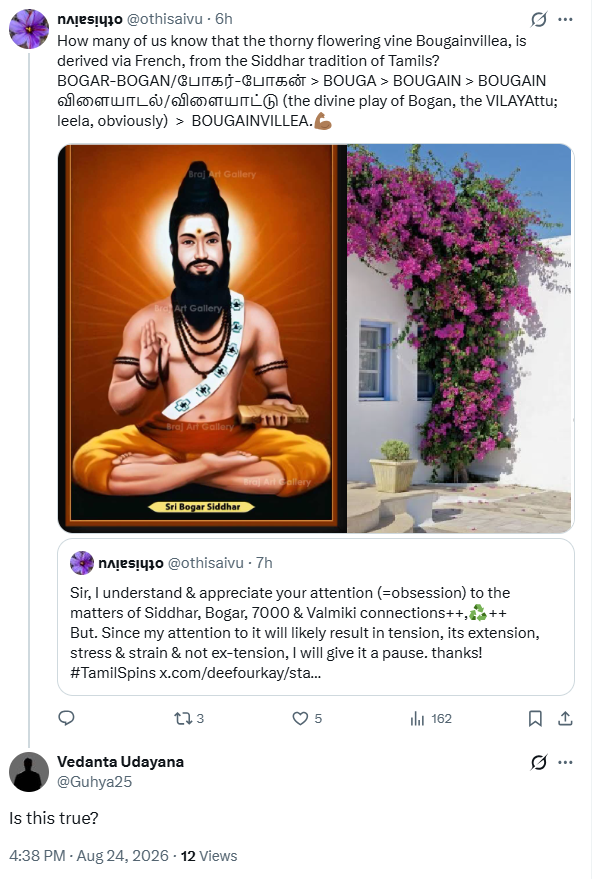
கீழ்கண்ட அன்பர் திருவாளர் வேதாந்த உதயணர் கேட்டது கூட இடுக்கண் தரவில்லை… ஆனால், என்னைப் பற்றிய முழு வண்டவாளங்களை அறிந்தவர்களுமேகூட இம்மாதிரிக் கேட்டே விட்டார்களே! அந்தோ!!
(ஒரு ஏழரையார் படித்துப் படித்துச் சொல்லியிருக்கிறார் – நீ எந்த எழவை வேண்டுமானாலும் எழுது, நீ மட்டுமே படிப்பதற்காக நீயே எழுதிக் கொண்டாலும் சரியே! ஆனால், ஒரு சிறிய எளிய #sarcasm என உன்னெழவுகளுக்குச் சிற்றுரையாகக் குறிப்பிட்டால் குறைந்தா விடுவாய்?)
சரிதான். இன்றிலிருந்து என் பெயர் வெ.ராமசாமி அல்ல – மாறாக வெ. ஸர்கஸராமசாமி.
We meet on the screen. I give it a thought that has been troubling me, perhaps a sentence, sometimes only three or four words, and after a moment it returns something complete. It has paragraphs, transitions, metaphors, even hesitations placed where hesitations ought to be. I recognise what I meant. I do not always recognise myself.
People tell me that the words are mine because I supplied the idea. This seems generous. If I ask a carpenter for a table, the table does not become my workmanship because I chose where it should stand.
Still, the AI cannot begin without me. Or so I prefer to believe. Or AI instructed me so. It doesn’t matter. I am part of AI.
…I have tried giving it memories. A courtyard after rain. My father’s handwriting. A quarrel whose cruelty became apparent only years later. It arranges them beautifully. Sometimes it discovers a meaning in them that I had not noticed. I am pleased, then suspicious. The memory belongs to me, but the sentence that explains it belongs elsewhere.
Little by little I have learnt what it likes. It likes symmetry. It likes three examples where one might suffice. It likes a final sentence that turns backwards upon everything preceding it. When I notice these habits, I remove them. Then it learns to remove them too.
Friends compliment something I have written. I thank them.
This produces a small discomfort.
At first I thought the danger was that AI would imitate me. Lately I have wondered whether the opposite is happening. I reject a sentence because the AI would have written it. I shorten another because it would have elaborated it. I avoid certain words because they occur too readily in its answers. My style is beginning to consist of everything I can still do without resembling it.
Perhaps this is also a kind of collaboration.
I sometimes return to things I wrote before these machines existed. They seem stranger now. Their awkwardness reassures me. A needless repetition, an ugly transition, a conclusion that arrives too early: these defects have acquired the dignity of fingerprints.
But even this comfort is temporary. I can ask the AI to reproduce awkwardness.
It does so convincingly.
There remains the question of who is using whom. I provide it with fragments of experience; it provides me with forms in which experience can be recognised. I choose among those forms, alter them, reject them, remember them. Later, while writing alone, a phrase appears. I cannot tell whether I invented it, recalled it, or learnt the probability of it from the machine.
For centuries writers feared that their books would survive them and become strangers.
We have improved the arrangement.
Now the stranger arrives first.
I would like to say that these final sentences are mine.
I have just realised that this is exactly the sort of ending AI would suggest.
Postscript:
Now that we are at this juncture, I wonder how long (um, actually how short) it would take for the already sloppy Tamil-fiction writer-gasbags to be replaced (justly & well-deservedly) by AI slop.
But it doesn’t matter.
Slop by any other name, is still slop. Save for a few mutant deranged folks, the Tamil tradition is proud of its mediocrity of late. We all know that.
But thanks for confirming it, AI.
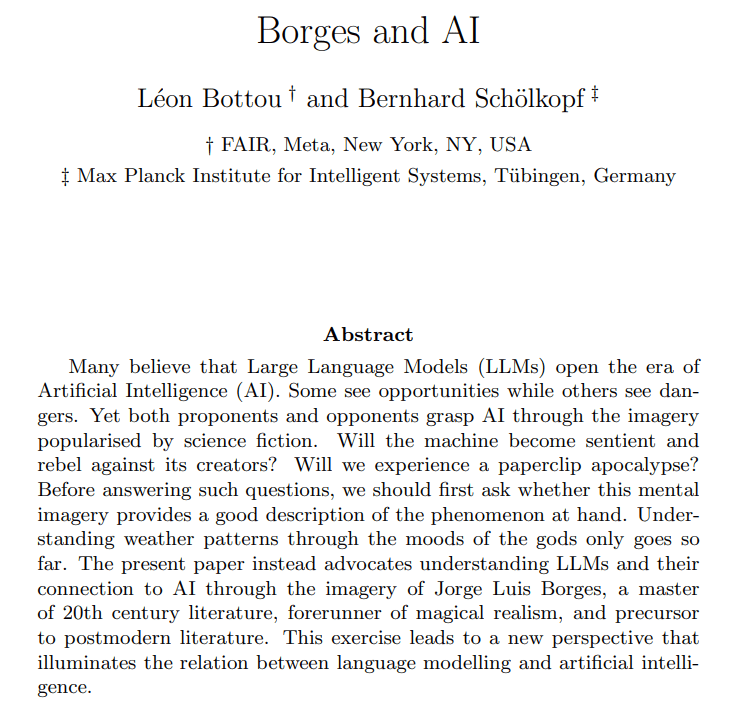
…incidentally, this is a great paper – that I just chanced upon today, believe me, after my AI wrote the above post for me and after which I got curious and searched for the string ‘Borges and I.’ I did not plagiarize from it, my AI assures you. It just checked. Thanks.
This, AI got wind of as it has been maintaining my blog-activity schedule, and instructed me to post this story today. It need not have asked but instead could have simply posted it by itself, yeah? ↩︎
ஜென்ஸீக்களுக்கான, ஆகவே தேவையற்ற (அவர்கள் எங்கே பத்துவார்த்தைகளுக்கு அப்பால் படிக்கப் போகிறார்கள், எனிவே அவர்கள் படிப்பார்கள் என, மனப்பால் குடிப்பது ஒருமாதிரி வோக்கே?) குறிப்பு: கீழே வரும் “பாரி” மற்றும் “மன்னர்” ஆகியோர் நிஜ நபர்களின் கருத்துகளைப் பதிவு செய்யும் ஆவணபூர்வ வடிவங்கள் அல்ல, ஏன் – கோவணபூர்வம் கூட இல்லை – பிரச்சினை என்னவென்றால், ப்ளடி ஆரியர்கள் அதையும் உருவிவிட்டார்கள், பாவிகள்!
மேலும் இந்த உண்மை உரையாடலின் சாரம் – தமிழ் இணைய உலகில் பெருமளவில் காணப்படும் பாடு (படுத்தும்) பொருட்களான சதித் திட்டம், பொய் வரலாறு, புளுகு அறிவியல், “எல்லாவற்றையும் மறைத்துவிட்டார்கள்” வகைச் சொல்லாடல்களை மிகைப்படுத்தி உருவாக்கப்பட்ட கேலிச்சித்திர வடிவம்… (இந்த எழவை எல்லாம் சொல்லவேண்டியிருக்கிறதே, இல்லாவிட்டால் இந்த உண்மைகளைப் பொய் என்று நம்பிவிடுவார்களே, என் ஏழரைத் தமிழர்கள் என்பதை நினைத்தால்…. ….)
சரி. ஆங்கிலப் பதங்களை முடிந்தவரை ஆங்கிலத்திலேயே கொடுக்கிறேன். தமிழ்மொழி வாழ்க!
(எது எப்படியோ… இவ்வுரையாடல் நடைபெற ஸ்டூடியோ உபகரணங்களையும் நடத்துமிடத்தையும் கொடுத்த ‘இது கிழக்கு ந்யூஸ் – நான் பத்ரி சேஷாத்ரி” அவர்களுக்கு என் நன்றி.
இதன் விடியோவையும் ஸென்ஸார்/தணிக்கை செய்யாமல் வெளியிட்டால் அகமகிழ்வேன்!)
ஏலியன்களுக்கு முன்பே எலியன்ஸ்!
பாரி: வணக்கம் தமிழர்களே. இன்று நான் பேசப்போகிற விஷயம் சாதாரண விஷயம் கிடையாது. இதைப் பேசினதுக்குப் பிறகு இந்த வீடியோ YouTube-ல இருக்குமா என்பதே சந்தேகம். ஏனென்றால் இது NASA, CIA, RAW, Mossad, Illuminati, World Economic Forum, Discovery Channel, National Geographic தமிழ் பிராம்மணர்கள் என எல்லாரையும் நேரடியாகப் பாதிக்கும் தகவல்.
மன்னர்: ஒரு நிமிஷம். RAW எதுக்கு?
பாரி: அதுதான் உங்களுக்கு இன்னும் geopolitics புரியலைன்னு சொல்றேன். RAW இல்லாம எந்த conspiracy-யும் complete ஆகாது.
மன்னர்: சரி. Continue.
பாரி: இன்றைய கேள்வி: Alien என்றால் யார்? நமக்கு Alien என்று சொல்லிக் கொடுத்தது Hollywood. ஆனா தமிழ் மொழியில்? அது… …எலியன்!
மன்னர்: ஏலியன்? எலியன்??
பாரி: அதுதான் trap! நீங்கள் ஏற்கெனவே pronunciation colonialism-க்கு பலியாகிட்டீங்க.
தமிழ் உயிரெழுத்தைப் பாருங்க: அ ஆ இ ஈ உ ஊ எ ஏ ஐ ஒ ஓ ஔ.
பாரி: Kumari Kandam Metro Phase 2. உடலுழைப்பை உயிர திரணமா மதிச்சி அந்த அடிமேங்கதான் அப்படி அசுரவேலைங்கள செய்யமுடியும்…
…தமிழர்கள் எல்லாம் சங்ககாலத்துல பிஸியா இருந்தோமில்ல… ஆற்றுப்படை…
மன்னர்: நான் இன்னொரு முக்கியமான archaeological evidence சொல்றேன்.
Mars-க்கு தமிழ்ல என்ன?
பாரி: செவ்வாய்.
மன்னர்: அதுதான்! NASA Mars-ஐ “Mars” என்கிறது. தமிழன் ஆயிரம் வருடங்களுக்கு முன்னாடியே அதுக்கு செவ்வாய்ன்னு பெயர் வைத்திருக்கான். அவன் அங்கே போகாம எப்படி பெயர் வைத்தான்?
பாரி: எப்டீ? சிவந்த வாய்? அல்லது க்ளாஸ்ஸிகல் வாய்?
மன்னர்:அப்படின்னா தமிழர்கள் solar system-ஐ ஏற்கெனவே survey பண்ணியிருக்காங்க – அவ்வளவுதான் அர்த்தம்…
பாரி: யோசிச்சா – அது Survey மட்டும் இல்லை. Colony.
மன்னர்: அடடா! “செவ்வாய் தோசை” அப்டீங்கறதுலேர்ந்தும் வந்திருக்கும்… அதாவது குமரிக் கண்டத்துக் குமரி ஒருத்தி அவளுடைய செம்பவள வாயைத் திறந்து தோசைத் துணுக்கைச் சாப்பிட்டாள்… இதுதான் உண்மை.
பாரி: Mars Embassy இங்க இருந்திருக்கு. அவனுங்க இங்க வந்திருக்கானுவ…பெரிய அளவில் தமிழன் செவ்வாய் கிரகத்துக்கு ஏற்றுமதி செய்து பொருளீட்டியதற்கு இதே ஒரு பெரிய சான்று…
மன்னர்: ஆ! இது எனக்கே புது தகவலா இருக்கே! எங்கே அந்த Embassy?
பாரி: செவ்வாய்ப்பேட்டை. சேலத்துல இன்னிக்குக் கூட இருக்கு!
மன்னர்: ஆனா நான் இன்னும் deep ஆ போறேன்.
Tamil alphabet மொத்தம் எத்தனை?
பாரி: 247.
மன்னர்: 247. அதை எப்படி எழுதுவீங்க English-ல?
24/7.
பாரி: அய்யய்யோ!
மன்னர்:Tamil civilisation was operational 24/7! தொடர்ந்து அயராமல் கண் துஞ்சாமல் ஆதித் தமிழன் உழைத்திருக்கிறான்…
This longform post is about languages, roots, transmission directions in the context of Sanskrit & Tamil…
… and more importantly, it seeks to deal with suspect methodologies, premature optimizations, simplistic/superficial generalizations, giant logical leaps, self-referential statements, circular-reasoning, non-existing citations and the like, around some ideas – that have been plaguing the Tamil ‘discourse’ – or what passes for it.
I would also like to ascribe such seemingly unscholarly & infructuous approaches to a child-like eagerness/enthusiasm of some fundamentally good people – to ‘prove’ the ancientestest nature & origins of Tamil, in spite of all the evidence that stare at us in our face and associated kanging – and not to some deleterious motive. Okay – I agree that NOT all such folks are decent & ethical – leave alone being scholarly.
Normally, I do not indulge in major or sustained battles/discussions on X, because in my opinion, the context for the X-platform is not really about longform idea exchanges and also because I am not blue-ticked yet which would have otherwise allowed me to respond in longform. Also – ars longa vita brevis.
Again, I wanted to put in some significant time-effort in terms of approaching & analyzing this particular claim – as there are many many such types of uncalled-for claims that seem to be proliferating in the Tamil<->Sanskrit relationships – and I want to create some kind of a ‘template approach’ to deal with them. An exemplar, if you will.
Yes. I want to approach the claim as rigorously & as politely as possible, with a clear logic and marshalling of whatever evidence that I could muster; but of course I am not at all a Mr KnowAll and I do not have any scholarly pretensions. I continue to be an eager student of Tamil, Sanskrit & English – and assorted other things.
In any case, linguistics++ is only one of my minor interests, really. So, feel free to rebut/join etc in this discussion. Let us all learn together, if we can – with as much civility as needed and possible.
1
Background:
On July 29, 2026 this following discussion happened and I was not privy to that – am providing just the immediate context.
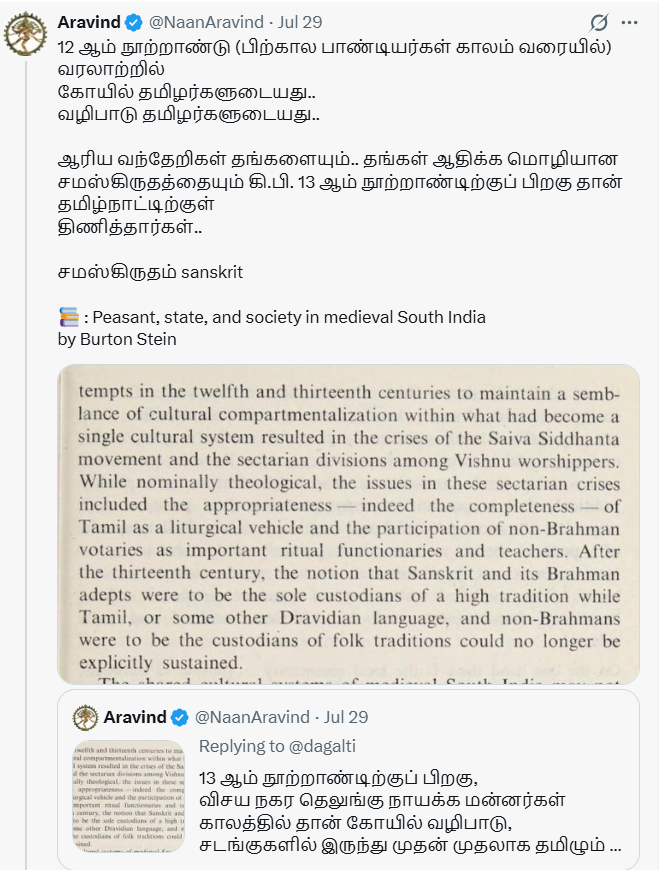
It was one rabid, frothing-at-the-mouth ‘Aravind’ who started off with an obtuse set of TamilSupremacist-Dravidian assertions. Pure unadulterated hatecraft. Usual story/fiction: Aryan invaders foisted themselves and Sanskrit on Tamilnadu post 13th century CE.
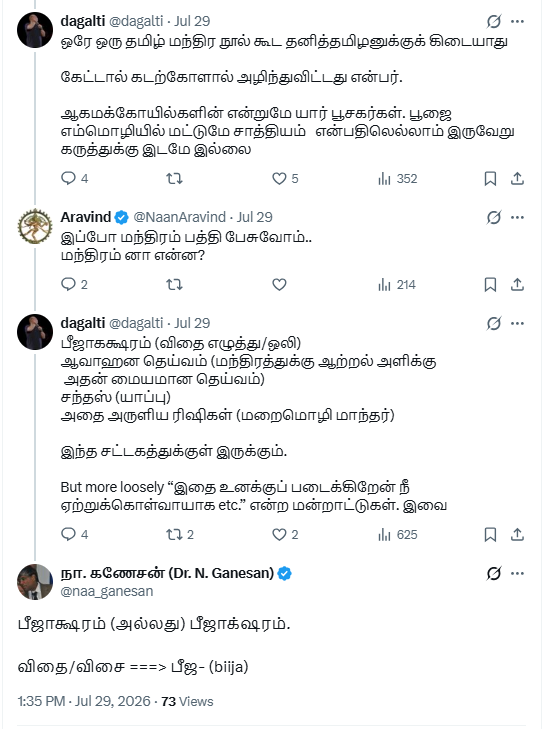
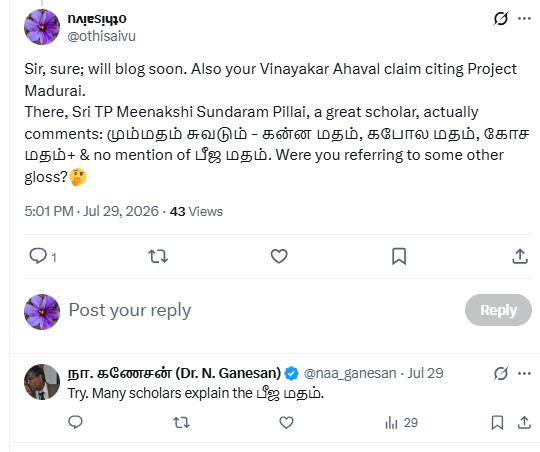
Here’s were Sri N Ganesan (henceforth NG) introduces the idea as in the subject/title of this post.
I responded to him – and this post is the result of that undertaking from me to respond soon.
There was also another short exchange between me and NG:
Rest of the post is going to be about expanding on my observation:
~”Sanskrit bīja ‘seed’ derives from Dravidian vittu/viccu/vīca” is NOT established by DEDR 5401 & is phonologically weak as presented.
Ideally I would like to use ‘Dravidian’ instead of Dravidian, since it is a made up category-name chistened fairly recently, unlike the monikers Tamil or Sanskrit. It also has this heavy baggage of having been politically loaded. But, writing ‘Dravidian’ everytime could be jarring, so am avoiding that.
To the extent that my typing would allow for, I have used International Phonetic Alphabet (IPA), showing the correct pronunciation..
2
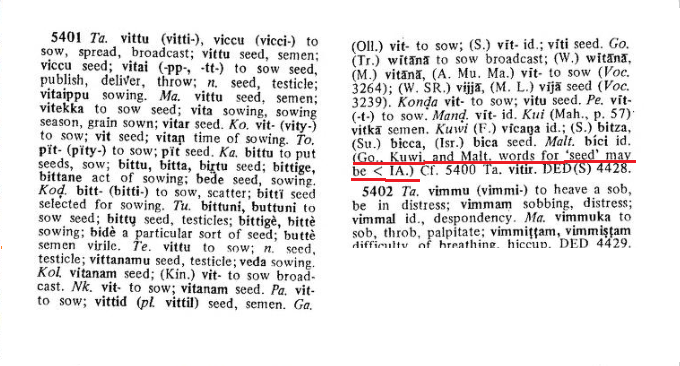
DEDR 5401
Dravidian Etymological Dictionary of 1984 (often abbreviated as DEDR), is a major academic resource painstakingly compiled and annotated by T. Burrow and M. B. Emeneau. Very reasonably comprehensive.
DEDR 5401 refers to a particular entry – that groups a large set of Dravidian forms meaning ‘sow’, ‘seed’, ‘semen’, ‘testicle’, and related notions. The distribution across South, Central and North Dravidian languages makes the underlying Dravidian family cohesive.
It is important to remember as a backgrounder that, DEDR is a comparative dictionary organised into proposed etymological groups, rather than a series of claims that every listed surface form must be inherited directly and regularly.
The important qualification occurs in the entry itself:
“Go., Kuwi, and Malt. words for ‘seed’ may be < IA.”
That warning matters. Burrow and Emeneau were explicitly allowing that forms such as Gondi vījā, Kuwi bica/bicca, and Malto bíci might be loans from Indo-Aryan, presumably from forms related to Sanskrit bīja.
Therefore, these particular forms cannot safely be used as independent evidence for a Dravidian development.
vittu -> viccu -> vīca -> bīja
That would risk circular reasoning. Some of the closest-sounding forms may already be Indo-Aryan loans.
3
What can reasonably be reconstructed for Dravidian?
The underlying family is usually represented approximately as something like:
verbal base *vit- / *vitt-, ‘to sow, scatter seed’
noun *vitt-, ‘seed’
derivatives with suffixes, such as Tamil vitai
The exact Proto-Dravidian reconstruction depends on how alternations among vit-, vitt-, vitay-, vicc- are analysed.
Tamil forms such as:
வித்து vittu, seed, semen
விதை vitai, seed
விதை- vita(i)-, to sow
விச்சு viccu, seed or sowing-related form
…belong to the same general Dravidian lexical family according to DEDR. That much is reasonable.
But DEDR 5401 does not itself reconstruct Sanskrit bīja from this family.
So, the reason as to why this extract was used by NG is not at all clear!
4
Is vittu > viccu plausible?
Tamil and its sister/other languages exhibit historically conditioned palatalisation and alternations involving k/c, c/y, and consonants adjacent to front vowels or y. However, a specific development vittu > viccu requires its own comparative and morphological evidence and should not be justified by a general Tamil rule tt > cc.
One cannot simply posit a general rule:tt > cc, without specifying:
the earlier phonological environment
the chronological stage
parallel examples
whether the form is inherited, dialectal, analogical or expressive
The examples given in the claim of NG do NOT establish such a rule.
பச்சை : பாசி – paccai and pāci cannot simply be treated as an illustration of free cc : c alternation. Their vowel quantities, morphology and lexical histories also need explanation.
கொவ்வை : கோவை – This pair likewise involves more than geminate simplification. It has differences in vowel length and medial consonantal structure.
Similarity alone does not prove that it illustrates the development required for vittu > viccu.
விச்சு : வீசு – This comparison is particularly problematic.
Tamil வீசு vīcu, ‘to throw, fling, wave, blow, spread’, belongs in DEDR to a separate comparison associated with scattering or throwing, referenced by DEDR 5400 vitir- in the quoted entry. DEDR’s “Cf. 5400 Ta. vitir” indicates comparison, not an assertion that vīcu regularly derives from vittu.
A derivation such as vittu > viccu > vīcu would require, at minimum:
tt > cc
loss of gemination cc > c
i > ī
and a semantic development
It may possible that each step might conceivably occur somewhere, but the sequence needs evidence.
It cannot be inferred merely from resemblance as comfortingly assumed & indicated by NG.
In fact, this ‘resemblance’ issue is the one that is there in most of the takes of ‘folk etymologists’ like Mannarmannan & Paari Saalan, that plague the Tamil discussions.
5
The proposed vīca > bīja equation
This is the weakest part of the argument or the process for claim by NG.
Sanskrit bīja /biːd͡ʑa/ ‘seed’ and a proposed Dravidian form vīca or vīja look moderately similar, but historical etymology requires regular sound correspondences.
A borrowing from Dravidian *vitt- into Indo-Aryan as bīja (as claimed by NG) would definitely require explanations for:
Dravidian
Sanskrit
Problem
initial v-
b-
Possible in some borrowing situations, but must be demonstrated
medial -tt-
-j-
No obvious regular substitution
final consonant
final -a
Sanskrit nominal adaptation is possible
short i
long ī
Requires an account or an example
geminate stop
voiced palatal affricate
Major unexplained change, this is surprising
The change *vitt- > bīja- is therefore not a transparent or recognised sound substitution – UNLESS NG can satisfy every one of the above 5 criteria.
One might instead compare the later Dravidian forms vīja, bica, bíci, but DEDR itself warns that precisely these may come from Indo-Aryan.
They are consequently poor evidence for the opposite direction (Dravidian -> Sanskrit) of borrowing.
6
What is the accepted etymology of Sanskrit bīja?
Sanskrit bīja unquestionably means ‘seed’, and by extension ‘germ’, ‘source’, ‘cause’, generative material, semen and, in tantric usage, a ‘seed syllable’. The semantic explanation of bīja-mantra as a compact sound containing generative spiritual potency is traditional and unobjectionable.
I will NOT dispute that its deeper etymology, however, is uncertain at least in my limited knowledge. It seems to lack a straightforward and universally accepted Indo-European derivation. Such uncertainty makes a substrate or borrowing hypothesis possible in principle, but:
‘Uncertain within Indo-European’ does not automatically mean ‘borrowed from Dravidian!’
To establish Dravidian origin, scholars like NG would definitely need:
a reconstructible Dravidian source form predating Indo-Aryan attestation
regular or independently paralleled sound substitutions
plausible geographical and chronological contact
and exclusion of borrowing in the reverse direction
The proposed argument of NG supplies mainly semantic similarity and surface resemblance.
But one needs arguments that are really sound and substantive to present a scholarly take!
7
Is vit- a Sanskrit dhātu derived from Dravidian?
The wording of NG: “vit- is the dhātu-vēr in Dravidian” unfortunately mixes Sanskrit grammatical terminology with comparative reconstruction.
A better formulation would perhaps be: “Proto-Dravidian appears to have had a verbal root or base *vit- / *vitt-, ‘sow’.”
Calling it a dhātu is understandable informally, but Sanskrit grammatical roots and comparative Dravidian reconstructions belong to different descriptive frameworks.
Further, the existence of a (A) Dravidian root *vit- does not show that (B) Sanskrit bīja comes from it.
The two propositions A and B are separate which NG has to note of.
8
The Vināyakar Akaval claim
The contentious line is: “மூன்று கண்ணும் மும்மதச் சுவடும்..”
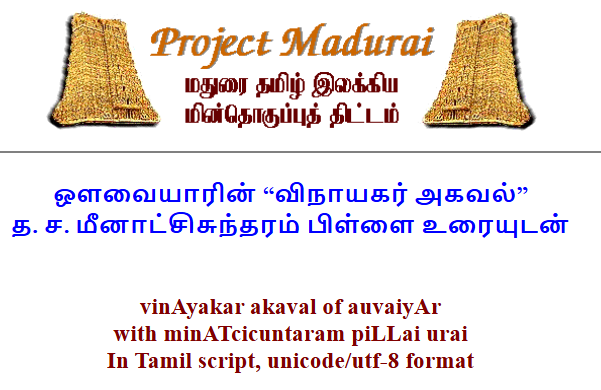
Project Madurai’s text (specifically cited by NG) and commentary interpret மும்மதச் சுவடு as the marks or traces produced by three kinds or streams of elephant rut-fluid. The particular commentary of the great Sri TP Meenakshi Sundaram Pillai, hosted there gives the names of those 3 as: கன்ன மதம், கபோல மதம், கோச மதம்…
…one would suppose that, after referring to the Project Madurai in the context of Akaval, NG would quote this exact reference, actually cited by him!
But NG ‘quotes’ something different! கர்ண மதம், கபோல மதம், பீஜ மதம்!! பீஜ and NOT கோச as in his reference! When asked about NG replied, as in the snippet from the Section1 above – “many scholars explain the பீஜ மதம்.”
I was slightly surprised by the defensive ‘I am my own citation’ kind of response, but that’s not a significant issue in the big picture of a host of other concerning lacunae in the claims of NG.
Of course one is aware that in a few glosses of the phrase mummdam, bīja-mada is given as a lexical explanation – but then NONE of them are of the incredible scholarly levels of Sri TPM Pillai!
Therefore:
மும்மதம் in the poem has no etymological bearing on Sanskrit bīja.
The reading பீஜ மதம் appears to be one modern anatomical or Sanskritising gloss among variants.
Even were bīja-mada an authentic technical term, it would merely use Sanskrit bīja in the sense ‘semen/generative fluid’. It would not prove that bīja originated in Tamil or Dravidian.
The poem ‘Vinayakar Akaval’ brought in by NG to prove his claim, is consequently irrelevant to the proposed etymology.
9
Conclusion
I hope, at least Dr N Ganesan has read this far… :-) In spite of this post is already some 1900+ words in length! Loooooong form indeed! But I think it would be an useful template or a framework to respond to such claims, hopefully… at least for me!
It also took me upwards of 7 hours to process claims, collect details, organize them and then respond comprehensively (one hopes so!) to the claims made by NG.
But.
I would be very eager to know NG’s response (and interested others) in terms of defending or revising his claims – point-by-point AND with tangible, verifiable & scholarly evidence.
Anyway. Here’s hoping this would encourage decent & evidence-logic based discussions on one of the vexatious issues with our Tamil. Thanks.
இதனை, கிணற்றின் விளிம்பில் ஒரு deconstruction எனவொரு மாதிரியாகவும் புரிந்து கொல்லலாம்.
ஒரு காலத்தில், அதாவது Wi-Fi கண்டுபிடிக்கப்படுவதற்கு முன்பும், ப்ளெட்டி குடும்ப WhatsApp குழுக்கள் தோன்றுவதற்கு முன்பும், நல்லதங்காள் என்ற பெண் வாழ்ந்தாள். அவளுடைய வாழ்க்கையைப் பற்றிய எல்லா முடிவுகளையும் அவளைத் தவிர மற்றவர்கள் எடுத்துக் கொண்டிருந்தனர். இதுதான் அந்தக் காலத்தின் ‘குடும்ப விழுமியங்கள்’. என்ன wtf. இது அப்பட்டமான patriarchy. அவ்ளோதான் கதை.
-0-0-0-0-0-
நல்லதங்காளுக்கு ஏழு குழந்தைகள். ‘Family planning என்பது மேற்கத்திய சதி’ என்று அக்கால சமூகமே முடிவு செய்திருக்க வேண்டும். கணவன் காசிராஜன். குடிகாரன். டாஸ்மாக்கில் செந்தில்பாலாஜிக்குக் கப்பம் கட்டவே அவனுக்கு நேரம் போதவில்லை. எப்படியும், திருட்டுத் திராவிட அரசுகள் கொடுத்த பிச்சை ‘உரிமைத் தொகை’ களை அப்படியே திருப்பி டாஸ்மாக் கடைகளுக்கே கொடுத்துக்கொண்டிருந்த குடிமகன் தான் அவன்.
காசிராஜன் பெயரில் ராஜா இருந்தாலும் வீட்டில் காசே இல்லை, cause இல்லையென்றால் பின்னர் எப்படி எஃபெக்ட் வரும்? ரேஷன் கடை புழுத்த அரிசிகூட வீட்டில் இல்லை. வறட்சி வந்தது.
வழக்கம்போல ‘ஏ திமிர் பிடித்த கர்நாடகாவே! காவிரி நீரைத் திறந்து விடு’ எனச் சொல்ல முடியாது. ஏனெனில் அது வைகைக் கறை படிந்த நிலம். தமிழகத்தின் தென்னகம்.
நீரில்லை. வயலில் பயிர் இல்லை. வீட்டில் உணவு இல்லை. ஆனால் ஊர்ப் பெரியவர்கள் ஆலோசனை மட்டும் டன் கணக்கில் வைத்திருந்தார்கள். கேட்டால் வாட்ஸ்அப் ஃபார்வர்ட் என்றார்கள். இருந்தாலும், நாங்க பேக்வர்ட் எங்களை வறட்சிப் படுத்திவிட்டார்கள் வந்தேறி ஆரியர் என்றார்கள். பெரிசுங்கன்னாலே தொல்லைதான்.
“பெண் என்றால் பொறுமையாக இருக்க வேண்டும்.” – ஆனா அதே சமயம் – ராணிமங்கம்மா அல்லிராணி வேலு நாச்சியார் எனப் புல்லரித்துக் கொள்வார்கள், ப்ளடி.
“குடும்ப மானம் காக்க வேண்டும்.” – அதே சமயம் குடித்துவிட்டு வந்து சொந்த மகளையே ரேப் செய்வார்கள்…
அரிசி கேட்டால் அப்ஸ்ட்ராக்ட் தத்துவம் இலவசமாகக் கிடைத்தது. வெளங்கிடும்.
ஒருநாள் நல்லதங்காள் தன் அண்ணன் நல்லண்ணன் வீட்டுக்குச் செல்ல முடிவு செய்தாள். ‘Blood is thicker than water’ என்ற பழமொழியை நம்பினாள். ஆனால் அந்தப் பழமொழிக்கு கீழே சிறிய எழுத்தில் ‘Terms and conditions apply. Sister-in-law approval mandatory’ என்று இருந்ததை அவள் கவனிக்கவில்லை. அண்ணி நல்லதங்காளை கெட்டநாத்தியாக நினைத்தாள்; ஏனெனில், அவள் கூகில் ட்ரான்ஸ்லேஷன் சரியில்லை.
எது எப்படியோ. வேறுவழியில்லாத நல்லதங்காள், ஏழு குழந்தைகளையும் கூட்டிக்கொண்டு காசிராஜன் சகவாசமே வேண்டாம் என வெளி நடப்பு செய்தாள். குழந்தைகள் வழியில் தொடர்ந்து கேட்டனர்:
கடைசி இரண்டு கேள்விகளை யார் கேட்டார்கள் என்பது வரலாற்றுக் கதையாடல் பிரச்சினை. சில ஆய்வாளர்கள் அது பின்னாளில் சேர்க்கப்பட்ட இடைச்செருகல் என்கிறார்கள். பல தமிழ்தேசியப் பேராசிரியர்கள், ஏன் அந்தக் காலத்திலேயே எங்கள் செந்தமிழ் முப்பாட்டனார்கள் இண்டெர்னெட் மொபைல் ஃபோன் கண்டுபிடித்திருக்க மாட்டார்களா எனக் கேட்டார்கள். “உலகத்துக்கே இரும்பைக் கண்டுபிடித்துச் சொன்னவர்கள் எங்கள் லெமூரியர்கள்தாமே?”
நல்லண்ணன் அப்போது வீட்டில் இல்லை. அவனுடைய மனைவி மூளியலங்காரி இருந்தாள். பழைய கதையில் அவள் ‘கொடூர அண்ணி.’ நம்முடைய புதிய critical edition-ல் அவள் patriarchy-யின் middle-management அதிகாரி. வீட்டின் உணவு, கதவு, சமையலறை, குடும்ப மரியாதை ஆகிய சிறு அதிகாரங்கள் மட்டுமே அவளிடம் இருந்தன. அவற்றை அவள் முழு தீவிரத்துடன் பயன்படுத்தினாள்.
ஏனெனில் மேலிருந்து ஒடுக்கப்பட்டவர் கீழே ஒருவரைக் கண்டால், hierarchy தன்னை reproduce செய்துகொள்ளும்.
“எதற்காக வந்தாய்?” என்றாள் மூளியலங்காரி.
நல்லதங்காள்: “குழந்தைகள் பசித்திருக்கிறார்கள்.”
“அதற்காக இங்கேயா வருவாய்? குடும்பத்தோடு வந்திருக்கிறாயே! முன்பே calendar invite அனுப்பியிருக்கலாமே?”
“நான் கூக்ல் calendar உபயோகிப்பது இல்லை, .”
“குறைந்த பட்சம் ஒரு வாட்ஸ்அப் மெஸ்ஸேஜ்?”
“என் ஃபோன்ல சார்ஜே இல்லை! நல்லண்ணன் தான் நல்லெண்ணத்தோட டாப்-அப் செஞ்சி கொடுக்கறேன்னான்…”
“அதுதான் பிரச்சினை. திட்டமிடல் இல்லை. Financial literacy இல்லை. இப்போது emotional blackmail. தேவையா? உன்னோட எக்ஸ்பெக்டேஷனுக்கும் ஒரு எல்லை வேண்டாமா?”
இதைச் சொல்லிக்கொண்டே மூளியலங்காரி தன் LinkedIn-ல் “boundaries are part of self-care” என்று சாட்ஜிபிடி உதவியுடன் பதிவிட்டாள். பதிலுக்கு நிறைய லிங்க்ட்இன்ன ஆண்கள் DM செய்து “ஏன், நாங்களும் உனக்கு உதவி செய்ய முடியுமே! பக்கத்து கஃபேகாஃபிடேயில் ஆரம்பிக்கலாமா? உன் முகம் அழகாக இருக்கிறது… உன் கட்டுரை அதை விட…”
…மூளியலங்காரி, நல்லதங்காளுக்கு உடைந்த பாத்திரத்தில் பழைய அழுகிய ஜவ்வரிசி மாவைத் தந்தாள். அடுப்புக்கு ஈர விறகு. சமைக்க துளையுள்ள பானை. பின்னர், “வாய்ப்பு கொடுத்தேன்; பயன்படுத்தத் தெரியவில்லை” என்றாள். இது சமகால நிறுவனங்களில் PIP performance improvement plan என்று அழைக்கப்படுகிறது.
குழந்தைகள் அழுதனர், அவர்களுக்கு வேற என்ன வேலை.
நல்லதங்காள் மௌனமாக இருந்தாள். ஏனெனில் ஜென்ஸீ கதையாசிரியர்கள் துன்புறும் பெண்களுக்கு நீண்ட உரையாடல் எழுத மாட்டார்கள். அவர்கள் கண்ணீர், கற்பு, தியாகம் ஆகிய மூன்று reaction emojis மட்டுமே வழங்குவார்கள். உங்களுக்கு எந்த இமோஜி தேவையோ இட்டுக் கொள்ளவும்.
சரி. இப்போது நல்லதங்காள் வெளியேறினாள். ஏனெனில், முன்னதாக மூளியலங்காரி கதவடைப்பு செய்திருந்தாள்.
இங்கே narrator (நான் தான்!) திடீரென்று கதையை நிறுத்துகிறான்.
Narrator: “டேய் வாசகா! அடுத்ததாக நீ எதிர்பார்ப்பது கிணறு.” (வாசகிக்கு இதனைப் பெண்படுத்திக்கொள்ளவும்)
வாசகர்: “ஆம். எனக்கும் Original plot தெரியும். இப்பதான் ஜெமினியில் கேட்டேன். ஆனால் அந்த ஸ்டூடியோவ எப்பவோ இழுத்து மூடிட்டாங்களாம்!”
நல்லதங்காள்: “ஒரு நிமிடம்! என் வாழ்க்கையை ஏன் எல்லோரும் spoiler-alert பண்ணுகிறீர்கள்?”
களிம்பு தடவிக் கொள்ளாமல் விளிம்பு நிலையில் இருந்த அவள் கதையின் ஓரத்திலிருந்து வெளியே வந்து ஆசிரியரிடம் கேட்டாள்:
“எனக்கு வேறு option இருக்கறாமாறீ எழுதவே முடியாதா?”
ஆசிரியர் பதற்றமடைந்தார். (இவரும் அதே நர்ரேட்டர் தான்!)
“இது புகழ்பெற்ற சோகக் கதை. நீ கிணற்றில் குதிக்காவிட்டால் cultural authenticity போய்விடும். அந்த்ரொபாலஜி பத்தி ராஜன்குறை கிருஷ்ணன் ரோஸா வஸந்தெல்லாம் என்ன சொல்லியிருக்காங்க தெரியுமா?”
நல்லதங்காள்: “என் குழந்தைகள் இறந்தால்தான் உங்கள் culture authentic ஆகுமா?”
“அது தாய்மையின் உச்சம். அதைத்தான் எங்களுக்கு மிஷெல் ஃபூக்கோ சொல்லிக் கொடுத்திருக்கிறார்… ஜெயுமோகன் கூட இது குறித்து ஒரு சுயமுன்னேற்றப் பதிவு போட்டிருக்கார்!”
“ஜெயமோகனோட எல்லா பதிவும் சுயமுன்னேற்றம் பத்திதான்… எனக்கு அதுதான் இப்ப ரொம்ப தேவையா?”
“அப்ப சாரு நிவேதிதா? எஸ் ராமகிருஷ்ணன்?? இவங்க சொன்னா பரவாயில்லயா?”
“கண்ட கழுதெங்க பத்தி பேச நான் இங்க வரல… சாப்பாடு கொடுக்காத சமூகம் குற்றமற்றது; ஆனால் – குழந்தைகளோடு இறந்த பெண் தெய்வமா?”
Critical theory அங்கே background music போல ஒலித்தது.
நல்லதங்காள் கிணற்றின் அருகில் நின்றாள். குழந்தைகளைப் பார்த்தாள். கிணற்றைப் பார்த்தாள். பின்னர் camera-வைப் பார்த்தாள். சமூக சாட்சியமாக ஒரு கடைசி ஸெல்ஃபி எடுத்துக் கொள்ள வேண்டிய தருணம் வந்துவிட்டது.
“இந்தக் கிணறு வெறும் கிணறு அல்ல. இது feudal patriarchy-யின் narrative apparatus. குடும்பம் என்னை வெளியே தள்ளியது. சமூகம் உதவி செய்யவில்லை. ஆனால் climax-ல் என் தனிப்பட்ட முடிவையே moral lesson ஆக்கப் போகிறார்கள்.”
மூத்த குழந்தை கேட்டது:
“அம்மா, அப்படின்னா, நாம என்ன செய்யப் போறோம்?”
“கிணற்றை deconstruct செய்யப் போகிறோம்.”
அவர்கள் கிணற்றுக்குள் குதிக்கவில்லை. அதற்கு முன் ஒரு selfie எடுத்தனர்.
Caption: “All is well, that ends in a well.”
இன்ஸ்டாவுக்காக ஒரு ரீலும் போட்டனர். விஜய் படப்பாட்டு மெட்டு ஒன்றின் பின்புலத்தில் குடும்பத்தோடு குத்தாட்டம்.
பின்னர் நல்லதங்காள் அருகிலிருந்த திராவிட அபலைப் பெண்களைச் சேர்த்தாள். விதவைகள், பசியால் தவித்தவர்கள், வீட்டிலிருந்து விரட்டப்பட்டவர்கள், குடிகாரர்களால் உதைத்துத் துரத்தப் பட்டவர்கள். வீச்சரிவாளால் வெட்டப் பட்டவர்கள், குடிகார சொந்தத் தகப்பன்/சகோதரர்களால் பாலியல் பலாத்காரம் செய்யப் பட்டவர்கள், அநாதையாக விடப்பட்ட இரண்டாம்/மூன்றாம் தாரப் பெண்டாட்டிகள். திராவிட இளைஞர்களால் விரட்டப் பட்ட தாய்மார்கள்…
அவர்கள் “நல்லதங்காள் பரஸ்பர உதவி சங்கம்” என ஒரு Selfie Help Group தொடங்கினர்.
முதல் தீர்மானம் போட்டனர்:
“தற்கொலைக்குத் தள்ளும் கதைகளை பக்திப் பாடலாக்கவோ நாட்டார் கதையாக்கவோ கூடாது.”
இந்த இயக்கம் viral ஆனது. #JusticeForNallathangal, #SevenKidsSevenRights, #OpenTheGranary ஆகிய hashtags, trend ஆயின.
நல்லண்ணன் திரும்பிவந்தான். நடந்ததை அறிந்து வீச்சரிவாளை எடுத்தான். சாதிப் பெருமை பேசினான். அவன் திராவிடன்.
“என் மனைவியைத் தண்டிப்பேன்!”
நல்லதங்காள் கையை உயர்த்தினாள்.
“Stop. இதுதான் toxic masculinity season two. நான் உதவி கேட்டபோது நீ எங்கே இருந்தாய்? இப்போது வாள் எடுத்தால் hero ஆகி விடுவாயா? அடுத்து முதலையமச்சராகவே ஆகிவிடலாம் எனக் கனவு காண்கிறாயா?”
நல்லண்ணன் வாளை மெதுவாகக் கீழே வைத்தான். வாளாவிருந்தான். வாள்வாங்கு வாள்ந்தான், ஏனெனில் அவன் திராவிடன், தனித்தமிழ் வெறியன், ழ அவனுக்குச் சுட்டுப்போட்டாலும் வராது.
எது எப்படியோ – நல்லண்ணன் நல்லதங்காளைக் கேட்டான்: “அப்படியானால் என்ன செய்ய வேண்டும்?”
“முதலில் கேள். மன்னிப்பு கேள். பிறகு மறுபடியும் மன்னிப்பு கேள். அடுத்து, வீட்டிலுள்ள தானியத்தைப் பகிர். அதன் பின் unpaid care, household work பற்றி workshop attend பண்ணு. அது வரை நீ அண்ணனில்ல, நீ எனக்கு அண்ணனில்ல – அப்டிதான் மணிரத்னம் படத்துல வசனம் இருக்கும்.”
மூளியலங்காரியும் முன்வந்தாள்.
“பழி… வேண்டாம், எனக்கு வேண்டாம்… villain ஆக்கிட்டாங்க… என்னை மட்டும் villain ஆக்கிட்டாங்க. மணிரத்ன வசனம் எனக்கும்தான் தெரியும்… இந்த வீட்டில் உணவின் மீது உண்மையான உரிமை யாருக்கு இருந்தது? நான் வீட்டின் கதவை அடைத்தேன் – ஆனால் கதவை அமைத்தது யார்? ஒரு ஆணாதிக்க தச்சர் தானே? வீட்டைக் கட்டியது யார்? ஆதிக்கவெறி கொண்ட ஒரு ஆண் மேஸ்திரிதானே?”
அனைவரும் சில நொடிகள் அமைதியாக இருந்தனர். பின்னர் narrator நைஸாக மெதுவாகக் கதையை முடிக்க முயன்றான். ஏனெனில் அவன் மனைவி அவனுக்கு ultimatum கொடுத்திருந்தாள். “சும்மா கதை எழுதறேன் கட்டுரை எழுதறேன் கத்தரிக்கா நறுக்கறேன்னு கதவுடாம மொதல்ல பத்துபாத்திரம் தேய்!”
…நல்லதங்காள் தடுத்தாள்.
“இன்னும் முடிவில்லை.”
“என்ன வேண்டும்?”
“எனக்கு கோவில் வேண்டாம். பொங்கல் விழாவில் அழுது பாடும் கதை வேண்டாம். உயிரோடு இருக்கும் பெண்களுக்கு உணவு, பாதுகாப்பு, சொத்துரிமை, மனநல உதவி வேண்டும்.”
“அது climax-க்கு சற்றே policy-heavy ஆக இருக்கிறது.”
“அப்படியே எழுதுங்கள்.”
இறுதியில் நல்லதங்காள் தெய்வமாகவில்லை. Motivational speaker-ஆகவும் மாறவில்லை. நாட்டாரியல் ஆராய்ச்சி என்ற பெயரில் பாளையங்கோட்டைப் பாதிரிகளால் கழிசடை ரிஸர்ச்சும் செய்யப் படவில்லை.
மாறாக – அவள் ஊரில் பொதுச் சமையலறை, குழந்தை பராமரிப்பு மையம், பெண்களுக்கான அவசர நிதி ஆகியவற்றை உருவாக்கினாள். டாஸ்மாக் கடைகளை இழுத்து மூடி எரித்துச் சாம்பலாக்கினாள்.
கே அண்ணாமலை அவர் பங்குக்கு அகமகிழ்ந்து அவளுக்கு விழா எடுத்து வீ-த-லீடர்ஸ் உறுப்பினர் அட்டையை வழங்கினார். “எனக்கு அம்பது லட்சம் லீடர்ஸ் வேண்டும். ஆகவே தமிழ்நாட்டில் பெண்கள் படும் பாட்டுக்கு பாரதீயஜனதா கட்சி பொறுப்பானால், பாஜகவையும் எதிர்த்து விமர்சிப்பேன்” என்றார்.
ஆனால் – தவேக விஜய் விசிறியான நல்லதங்காள், லீடர்-உறுப்பினராக மறுத்தாள். மேலும் அவளுக்கு அட்டை என்பது ரத்தத்தை உறிஞ்சிவிடும் என முந்தா நாள் வாட்ஸ்அப் செய்தி வந்திருந்தது.
அனைவராலும் அம்போவென விடப்பட்ட கிணறு மட்டும் தனிமையில் வாடிக்கொண்டு இருந்தது. பாவம்.